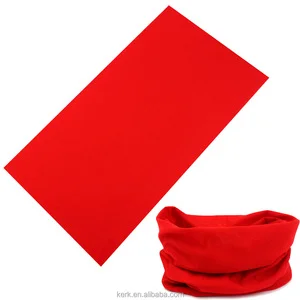
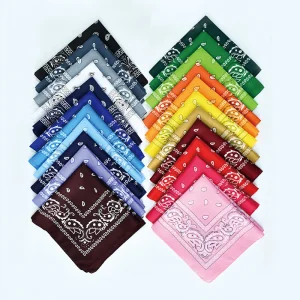
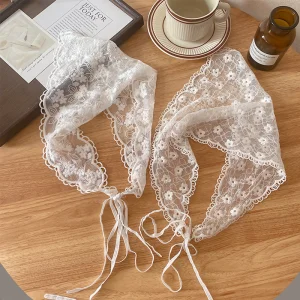
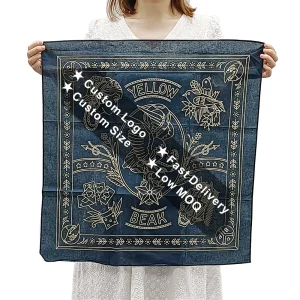
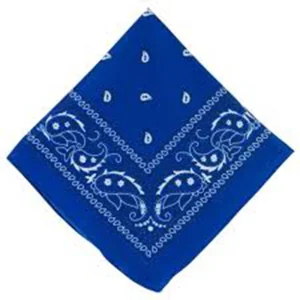
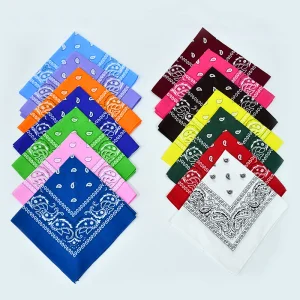
Engineered for versatility, extreme climate transitions, and high-intensity activities across Almaty, Astana, and the broader Kazakh Steppe regions.
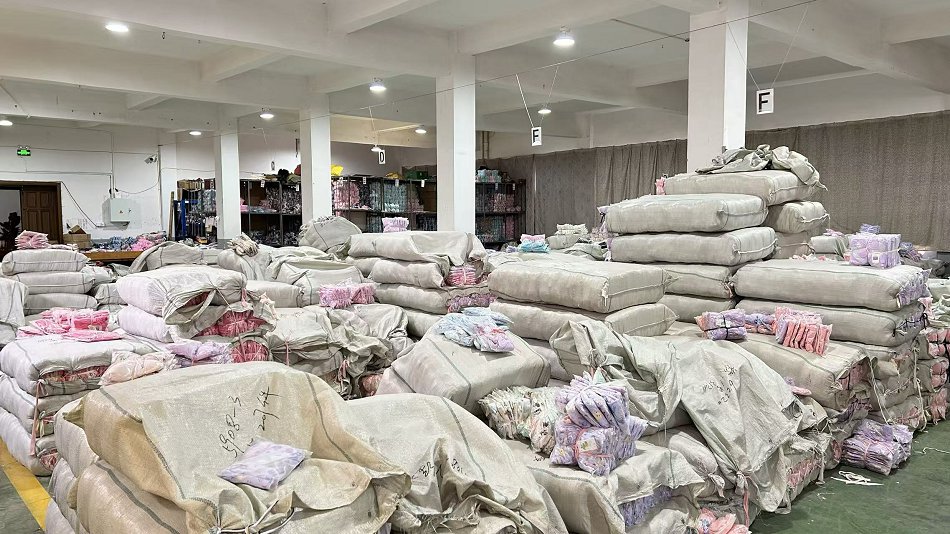
Our end-to-end quality control system guarantees high performance, material durability, and exquisite color fastness for every single batch shipped to Central Asia.
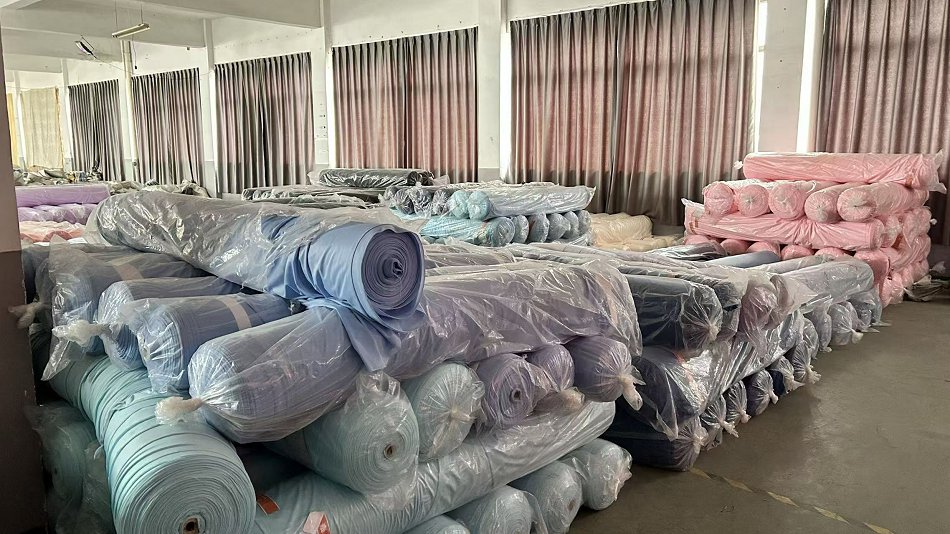
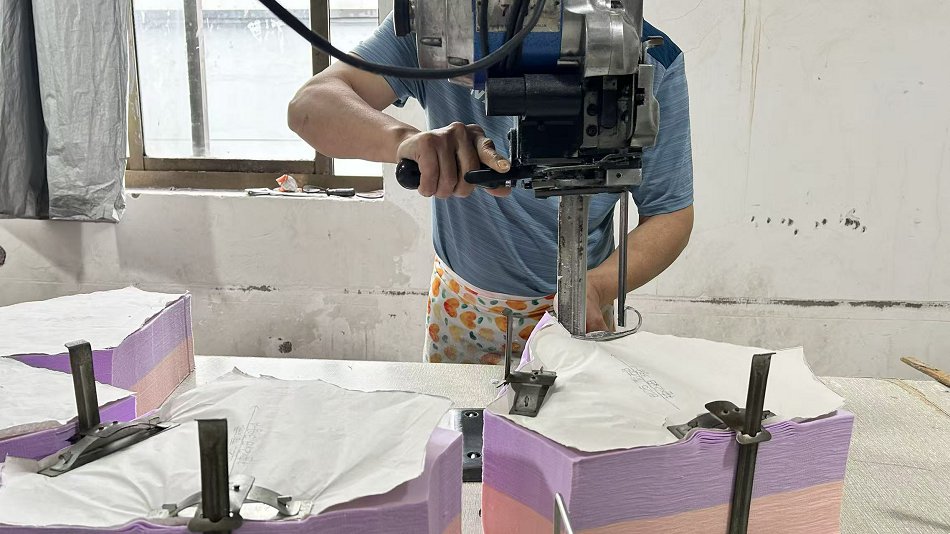
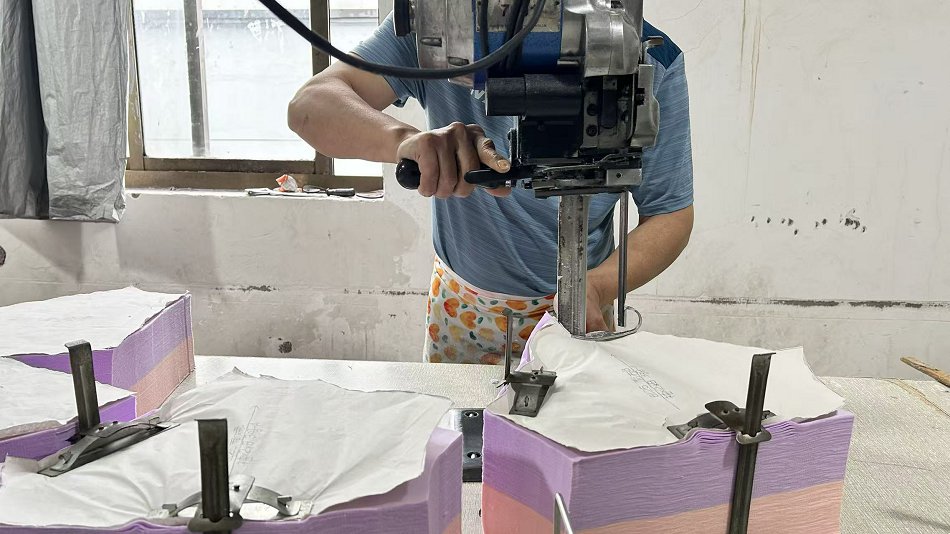
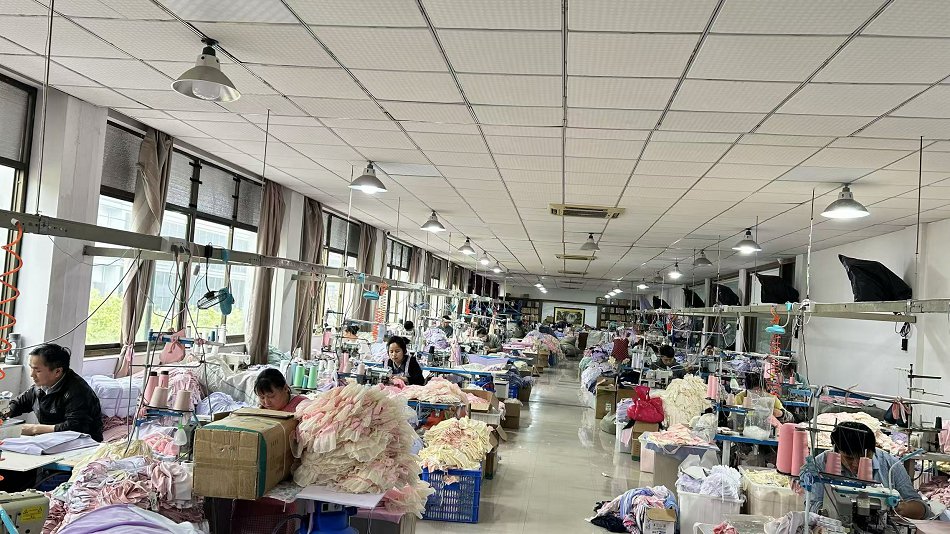
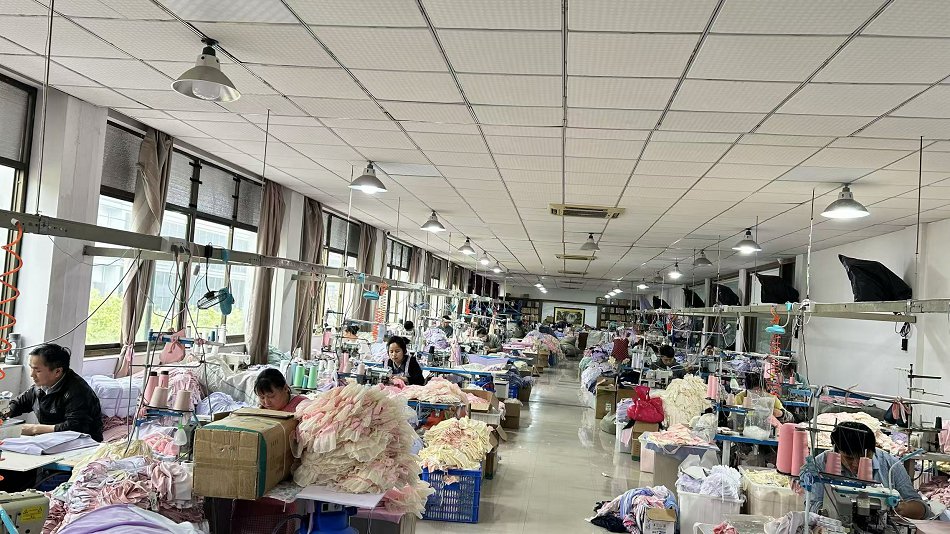
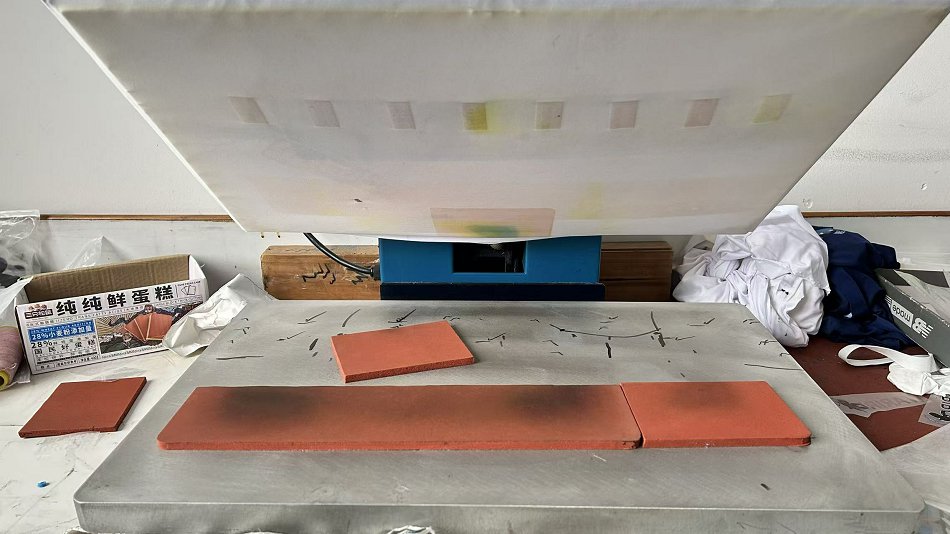
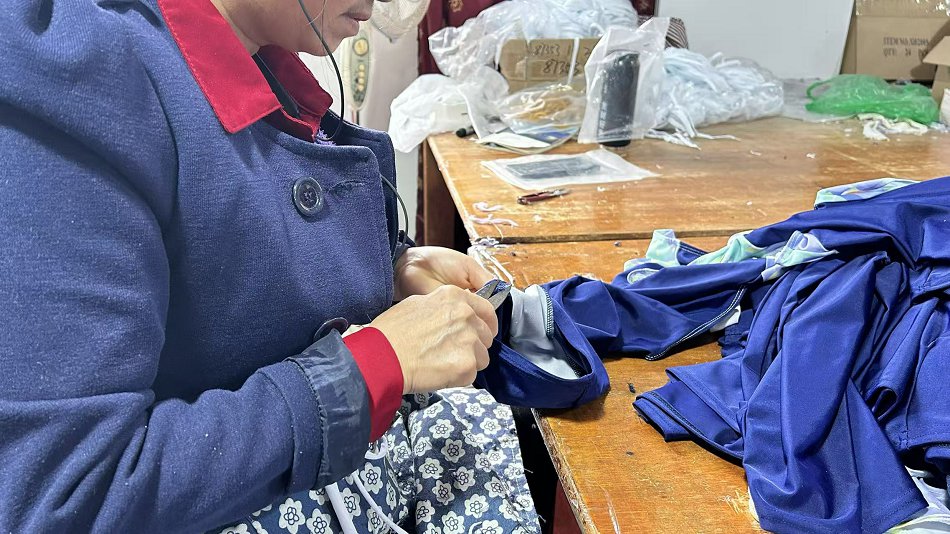
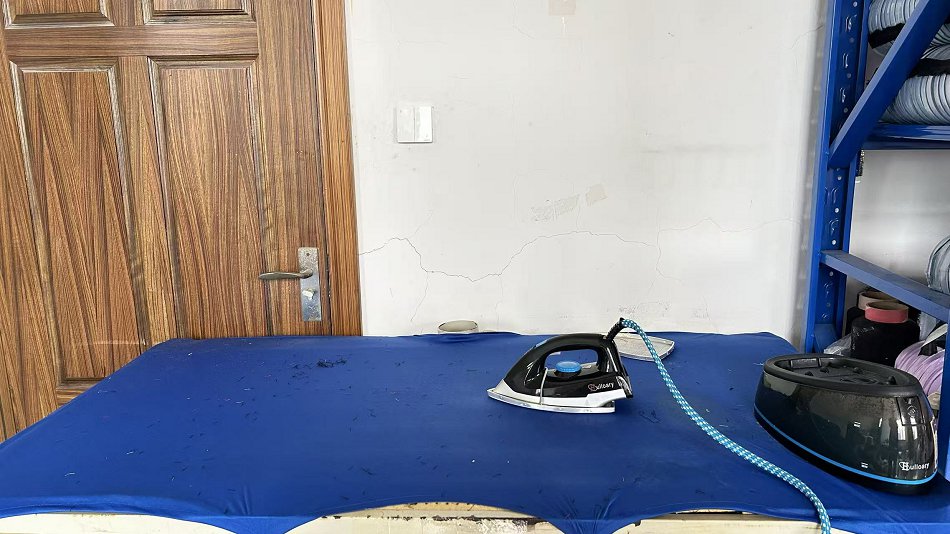
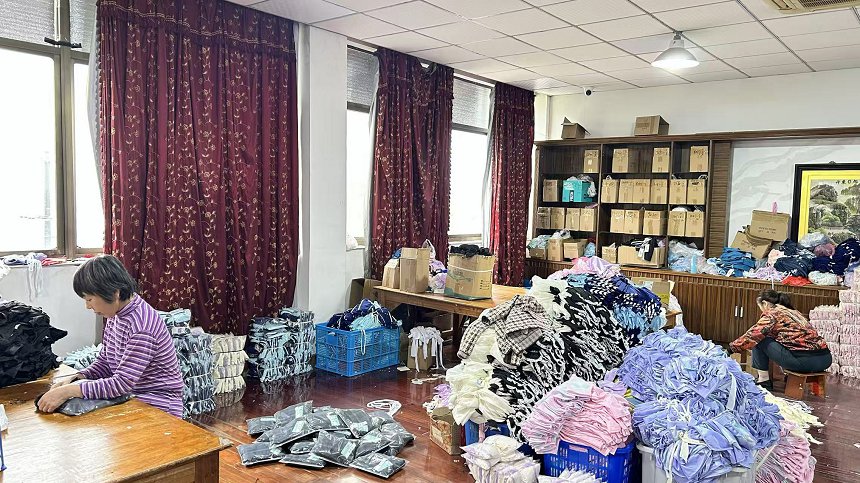
Bridging traditional aesthetic elements with modern synthetics for thermal control and dust mitigation.
In the modern globalized supply chain, Kazakhstan stands as a pivotal economic hub for Central Asia, acting as a gateway connecting Eastern manufacturers with emerging Western markets. The apparel and textile accessories sector, particularly custom-engineered bandanas and tactical neckwear, has observed a major spike in demand. This industrial shift is fueled by Kazakhstan's burgeoning logistics network—exemplified by the Khorgos Gateway and the China-Europe freight rail links—which significantly minimizes lead times from manufacturing centers to cities like Almaty, Astana, and Shymkent.
Wuxi U-Rare Fashion Co., Ltd., possessing over two decades of expert-grade OEM and ODM operational experience, occupies a prime position to address this demand. With a monthly production output surpassing 300,000 completed products, we merge advanced digital textile printing, precision tailoring, and verified sustainable yarn selection to deliver competitive, high-margin, and highly functional accessory lines to Kazakh businesses, regional distributors, and large-scale industrial corporations.
Strategic Advantage: By integrating custom-engineered design parameters with advanced logistical routing, we ensure that bulk orders are optimized both for the tariff structures of the Eurasian Economic Union (EAEU) and the rigorous functional demands of high-altitude and continental steppe climates.
Kazakhstan's vast geography presents unique environmental challenges that directly dictate the specifications of industrial and recreational apparel. With temperatures dropping below -40°C in the northern steppes of Astana during winter, and soaring above +40°C in the desert flats during summer, multi-functional bandanas are not merely fashion accents; they are critical protective gear.
The core of Kazakhstan's economy relies on oil & gas extraction, mining, and metallurgy (predominantly in regions like Karaganda and Atyrau). Workers in these heavy industries require protective accessories that offer dust filtration, flame resistance, and moisture wicking underneath hardhats. Traditional heavy-cotton bandanas have given way to advanced microfibers and blended anti-static fabrics. Our factory engineers functional neckwear designed to resist particle penetration while retaining breathability under high physical stress.
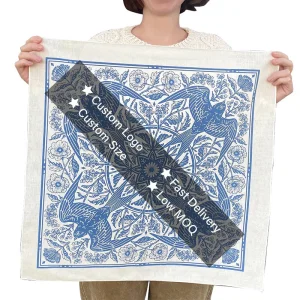
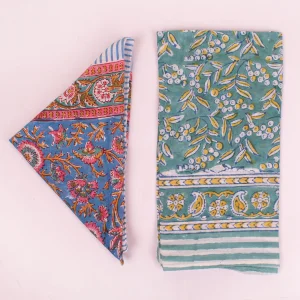
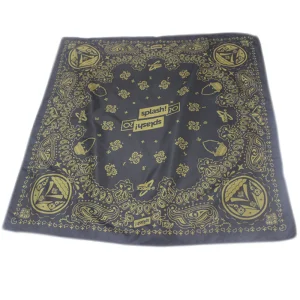
Vast agricultural operations in Kostanay and Akmola require seasonal laborers to work under intense sun exposure. Similarly, equestrian sports, domestic tourism, and cultural celebrations draw heavily on regional designs. Bandanas utilizing historical Kazakh patterns (such as koshkar-muiz or ram's horn motifs) have seen elevated demand as cultural pride and heritage events surge, driving localized ODM opportunities for customized regional apparel.
The global textile supply chain is shifting towards near-shoring and streamlined regional distribution. For Central Asian nations, China's proximity and infrastructure dominance create an unmatched procurement highway. Road transport through Xinjiang border posts like Alashankou and Khorgos, paired with optimized rail container services, allows Wuxi U-Rare Fashion Co., Ltd. to dispatch custom bulk shipments directly to Kazakh logistics centers within a fraction of the time required for maritime freight to reach other parts of the world.
This geographic proximity removes the vulnerability associated with maritime choke points, offering Kazakh enterprises a reliable supply chain. Coupled with our compliance with global certification structures (including OEKO-TEX Standard 100 and BSCI), our logistics strategy guarantees that imported neckwear meets strict safety, environmental, and labor standards before crossing the border.
To provide clear Information Gain over basic commoditized options, it is critical to outline the underlying technical pathways involved in high-quality bandana production:
Wuxi U-Rare Fashion Co., Ltd. provides robust B2B support, translating regional concepts into reliable final products. We specialize in:
Engineered for high performance, ease of customization, and maximum durability across diverse environments.
Explore crucial inquiries regarding shipping, custom production runs, and material choices designed specifically for the Central Asian market.
For volume orders, we leverage railway container systems or direct road freight through the Khorgos border crossing. Typically, land transport takes 12 to 18 days to reach logistics centers in Almaty and Altynkol. Air freight solutions are available for urgent corporate projects, bringing delivery times down to 5 to 7 business days.
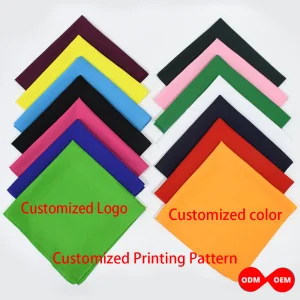
Our standard MOQ for custom digital print designs is flexible, starting as low as 100 to 500 units per design variant. This is designed to allow local Kazakh startups, sports teams, and event organizers to test market reception without committing to massive inventory overheads.
Absolutely. All raw fibers—including our eco-friendly organic cotton, modal, polyester blends, and high-grade silk—comply with the OEKO-TEX Standard 100 guidelines and REACH regulations. This ensures no harmful allergens, phthalates, or chemical dyestuffs are present, satisfying import compliance requirements for Eurasian trade corridors.
Yes, our in-house packaging department can print custom hangtags, backing cards, and barcode labels containing Cyrillic character encoding, EAN-13 codes, and specific compliance text for the EAEU customs union, making the products retail-ready immediately upon delivery.
For high-dust environments, we recommend either high-density 100% organic cambric cotton or seamless polyester microfiber. Microfiber captures micro-particles while retaining excellent moisture-wicking and quick-drying properties, whereas organic cotton provides a soft, breathable barrier ideal for long agricultural work shifts.
 U-Rare Fashion