Explore our core product ecosystem, engineered to meet the highest international standards of safety, thermal performance, and durability.
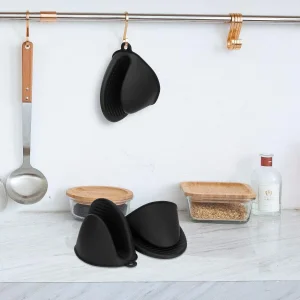
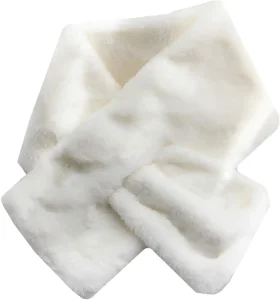
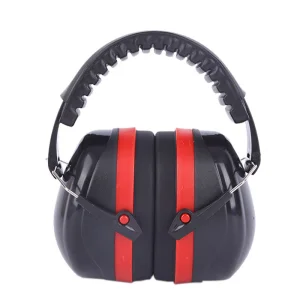
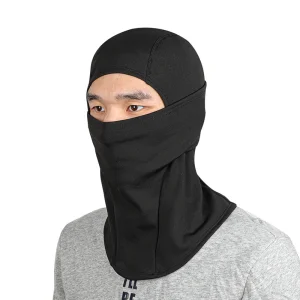
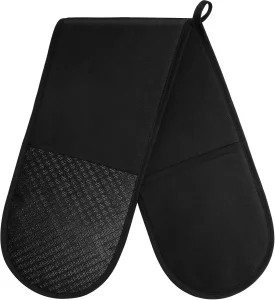
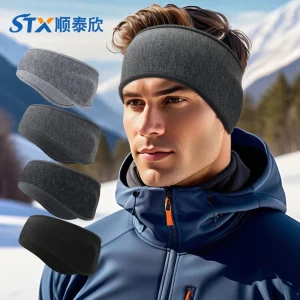
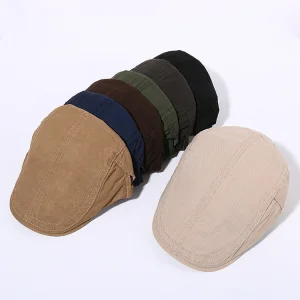
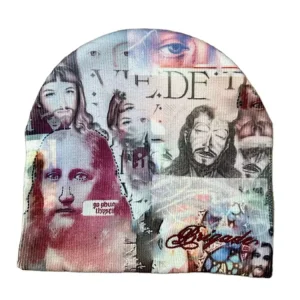
The global demand for high-performance combat boots has undergone a profound evolution. No longer restricted solely to defense departments, modern tactical footwear is heavily integrated into law enforcement, private security, outdoor survival sectors, and rugged industrial work environments. As the world's primary manufacturing hub, China's combat boot factories command over 60% of global output, powered by a seamless vertical supply chain, advanced materials processing, and a highly skilled workforce.
Understanding the capabilities of China’s combat boot factories is crucial for global procurement directors, military contractors, and brand managers. Achieving high-performance levels requires navigating complex material sciences, strict military specifications (MIL-SPEC), and international test standards such as EN ISO 20347. This industry whitepaper breaks down China’s manufacturing advantages, engineering requirements, and supply-chain capabilities to help you optimize your procurement decisions.
From raw cattle hides to specialized chemical TPU outsoles, local raw-material availability drives manufacturing lead times down by 40% compared to other regions.
Adoption of computerized automatic stitching machines, DESMA direct injection molded polyurethane lines, and automated laser cutters ensuring 0.1mm precision.
Top tier Chinese factories comply fully with international environmental and social responsibility protocols, offering ready-to-verify BSCI, ISO 9001, and ISO 14001 certificates.
Modern military footwear is an assembly of highly technical materials designed to offer protection, stability, and durability while keeping the weight minimal. Chinese manufacturers excel in applying specialized material configurations to meet differing operational environments:
A professional manufacturer and exporter specializing in high-quality tactical and performance accessories. With over 20 years of OEM and ODM production experience, the company serves international markets across North America, Europe, Australia, and Asia, establishing reliable supply partnerships with global brands.
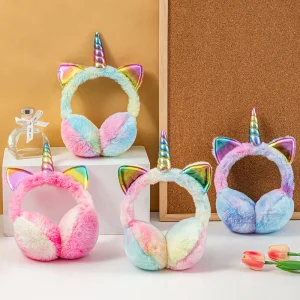
Leveraging advanced manufacturing facilities, their product capacity spans across specialized tactical textile products, custom cold-weather gear, protective ear muffs, balaclavas, and technical apparel accessories. Working in tandem with tactical footwear, Wuxi U-Rare Fashion provides complete equipment systems required by modern soldiers, tactical teams, and outdoor professionals.
Innovation and Quality Assurance: With a design team launching over 300 new styles annually, they continuously explore eco-friendly materials, technical yarns, and advanced double-sided digital printing. Quality control is maintained through strict testing procedures from raw material procurement to final packing and dispatch.
A visual walkthrough of our high-precision processing, assembly, and testing lines ensuring zero-defect output for technical military-grade equipment.
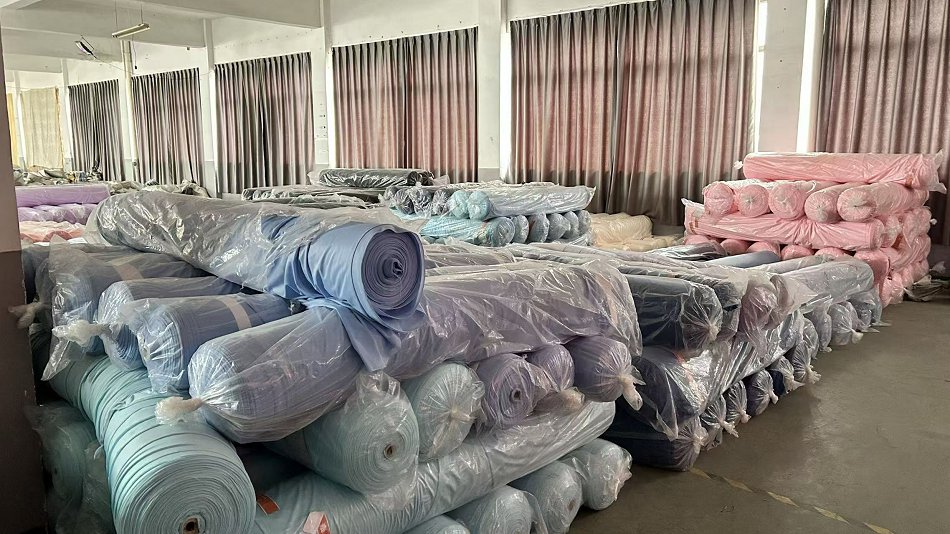
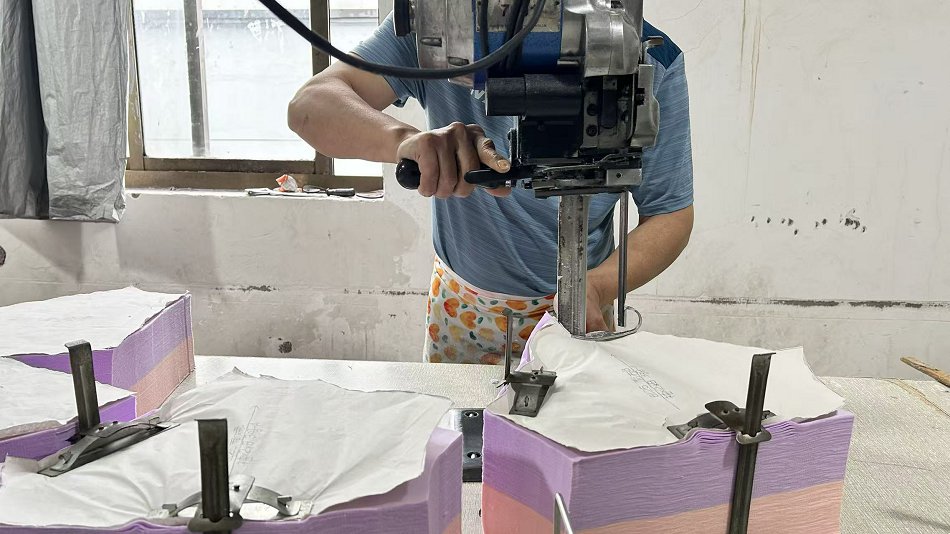
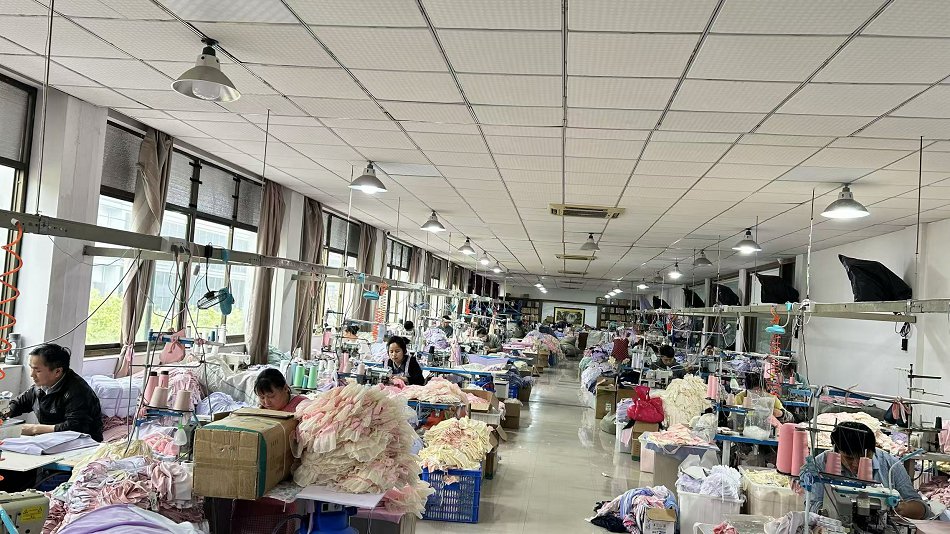
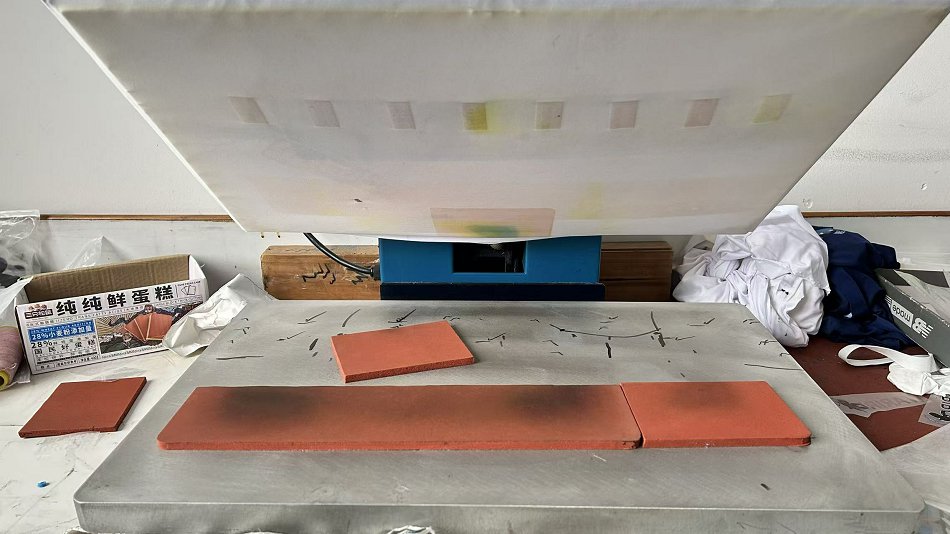
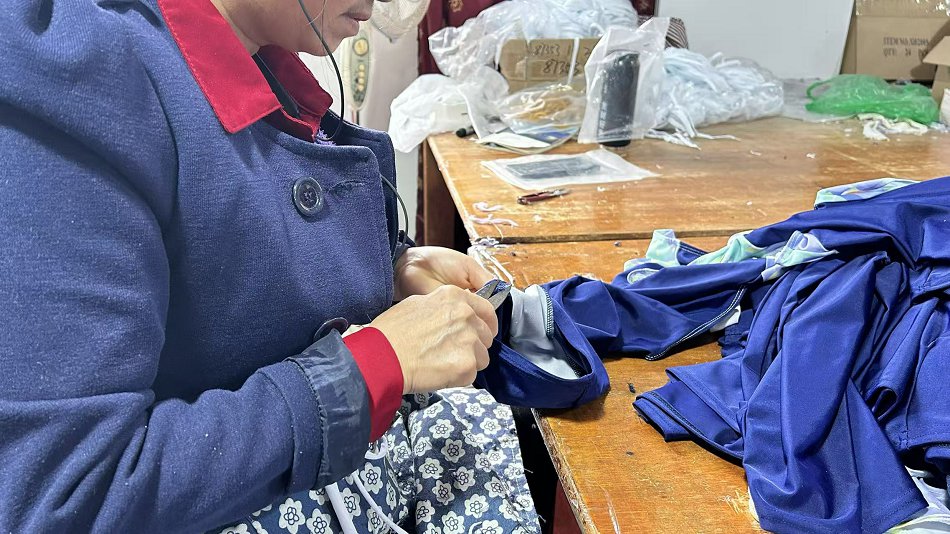
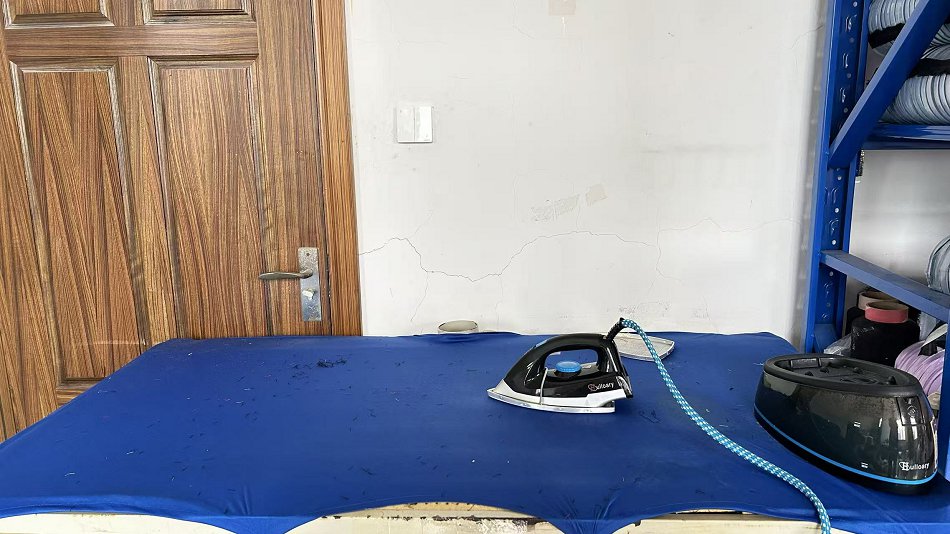
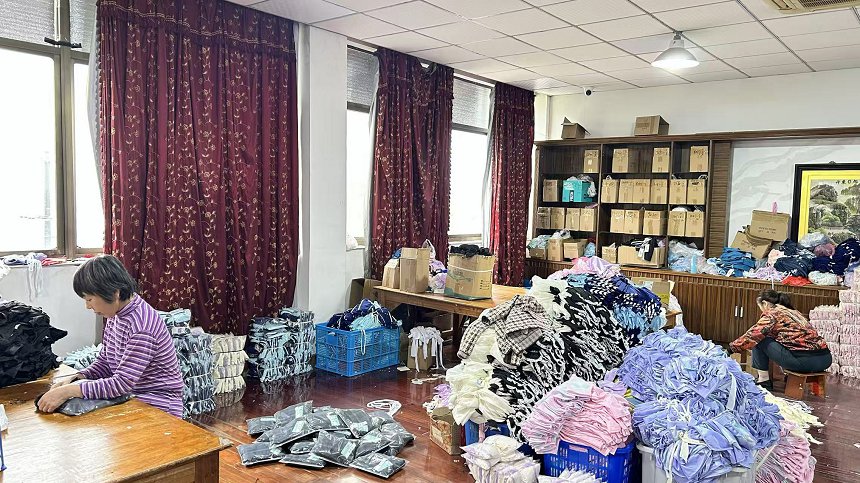
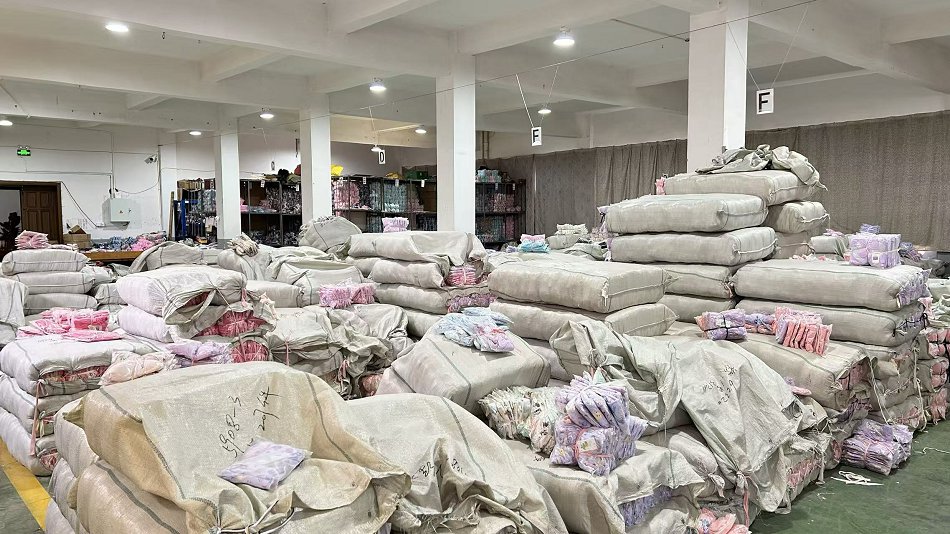
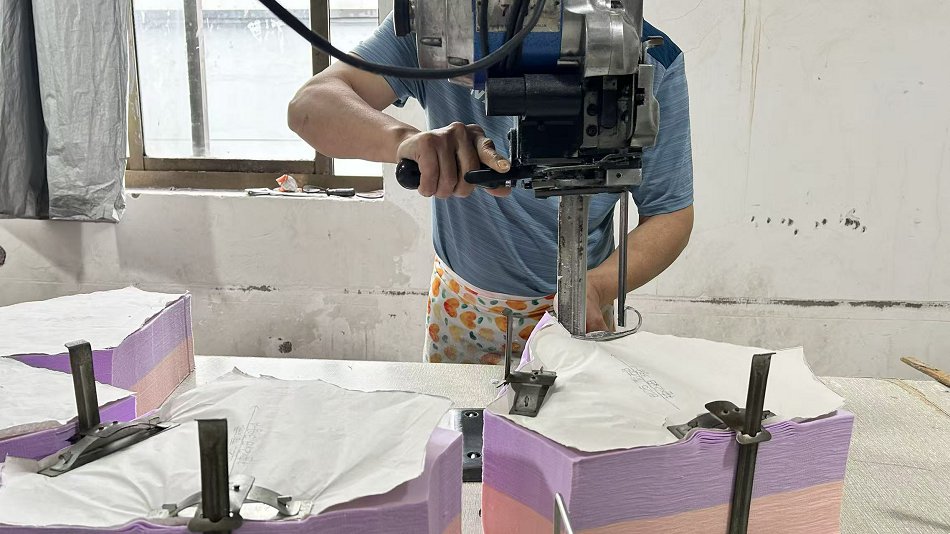
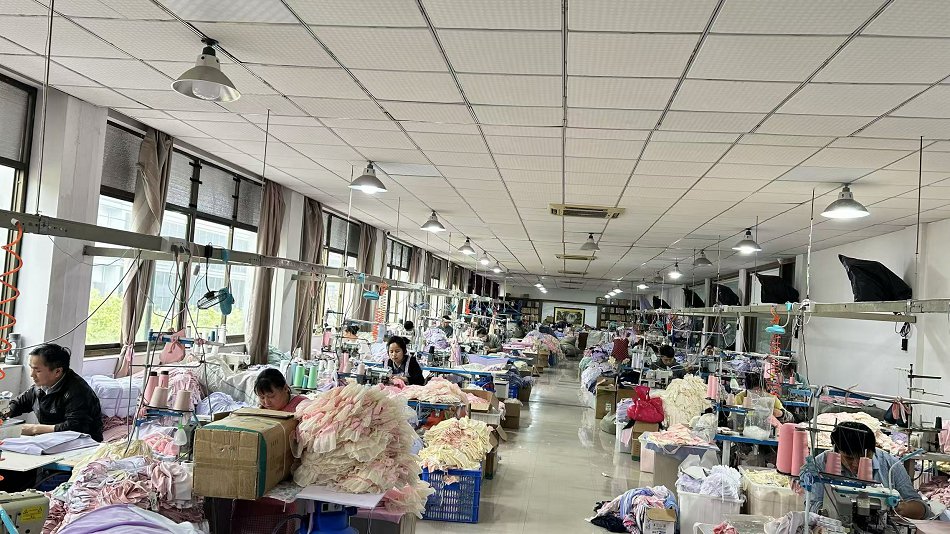
The tactical footwear domain is shifting rapidly from heavy, rigid leather boots to lightweight, athletic-style hybrid tactical boots. Understanding these shifts helps procurement officers optimize inventories and meet modern end-user preferences.
Modern combatants require swift movements and long endurance. Traditional combat boots weighing upwards of 900g per boot are being replaced by athletic hybrid models weighing less than 550g. This is achieved by replacing heavy metal shanks with high-rebound carbon fiber or thermoplastic polyurethane (TPU) arch supports, and using high-frequency welded mesh rather than layered leather panels. Reduced weight significantly decreases the user's metabolic energy consumption during field operations.
As wearable tech grows, military agencies are testing smart combat boots embedded with GPS trackers, kinetic-energy harvesting soles, and pressure sensors that monitor soldier fatigue levels. Furthermore, quick-lace and micro-adjustable dial systems (like BOA systems) are increasingly specified to replace traditional metal speed-hooks, ensuring rapid response times and reducing lace failure risk in tactical situations.
Global defense organizations are aligning with green procurement standards. Large-scale factories in China are investing in recycled polyester fibers (rPET) for boot linings, bio-based polyurethanes for midsoles, and chrome-free tanning processes for leather components. These practices ensure compliance with European Union REACH standards and US EPA regulations while maintaining the boot’s technical lifecycle durability.
The shift from basic wax-treated leathers to advanced internal booties using breathable membrane technology has transformed field operations. Moisture-wicking linings containing antimicrobial silver fibers prevent odor and fungal growth during extended-wear cycles. Combined with high-loft synthetic insulations like 3M Thinsulate, modern boots can withstand temperatures ranging from -40°C in mountainous zones to +50°C in desert terrains.
Tactical boots must perform reliably in diverse environments. Chinese factories specialize in custom configurations adapted for specific target terrains and operational climates:
Constructed with highly breathable sand-resistant mesh, unlined light suede leather, and heat-resistant outsoles designed to withstand ground surface temperatures of over 70°C without delamination.
Featuring integrated metal drainage vents to expel water during river crossings, quick-drying non-absorbent synthetic fabrics, and rot-resistant nylon stitching to prevent mold decay in tropical areas.
Equipped with multi-layered membrane barriers, specialized rubber compounds that remain soft and flexible at sub-zero temperatures, deep-lug outsoles for ice grip, and Thinsulate lining.
Sourcing combat boots from China at a macro level requires clear evaluation of factory capabilities. Companies must secure transparent timelines, quality assurance protocols, and regulatory compliance. Direct-injection manufacturing lines, for example, offer a significant quality advantage over cemented boots. Direct-injection boots chemically fuse the polyurethane midsole directly to the leather upper, eliminating the risk of glue failure in harsh, chemical, or wet environments.
Additionally, auditing the chemical management system of the factory is critical. Under Google's E-E-A-T guideline criteria, verifying factory expertise involves checking testing compliance. Leading factories employ specialized laboratory equipment, performing flexing tests (testing the upper and sole up to 100,000 flexes without cracking), steel toe impact resistance testing (absorbing up to 200 Joules of energy), and hydrostatic head tests for waterproof boot structures.
Direct answers to critical sourcing, compliance, and material engineering questions asked by global tactical footwear buyers.
For customized ODM/OEM combat boots requiring specific outsole mold developments, the industry standard MOQ in China is typically 1,000 to 1,500 pairs per style. However, if using existing factory-owned outsoles, MOQ can be reduced to 500 pairs. For specialized textile accessories (balaclavas, gaiters, tactical gloves), MOQs are usually more flexible, starting from 1,000 pieces per batch.
Top-tier factories operate in-house testing laboratories equipped with calibration machines for abrasion resistance, leather tear strength, steel toe compression, and sole slip resistance. Reliable suppliers collaborate with third-party testing firms like SGS, Intertek, or TÜV Rheinland to issue official certification reports before shipping large production batches.
PU Direct Injection is highly superior for heavy-duty military use, as it chemically bonds the sole directly to the upper leather, making delamination nearly impossible. However, Cemented construction is highly popular for lightweight tactical athletic boots because it allows for multi-component outsoles (combining EVA, rubber, and TPU) which provide superior running cushioning and comfort.
Yes, professional Chinese factories have deep ODM support. By using CAD/CAM systems, engineering teams can convert physical mockups or sketches into 3D CAD files within 3 to 5 days. Sample production runs typically take 10 to 15 days, allowing military contractors to verify ergonomics and fit before proceeding with mass production tooling.
Every batch of raw materials—including leather hides, nylon fabrics, waterproof linings, and chemical compounds—undergoes strict incoming inspection (IQC). Chemical testing is performed to check for restricted substances such as lead, AZO dyes, and hexavalent chromium to ensure the materials comply with global standards like REACH and RoHS.
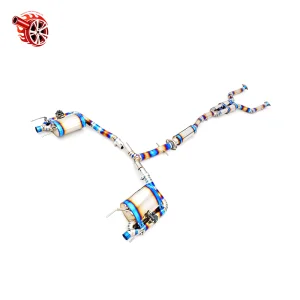
Browse our selection of heavy-duty components, high-performance exhaust parts, and insulated winter apparel manufactured using precision tooling.
 U-Rare Fashion