Foulard patterns have a rich history in fashion, often associated with elegance and sophistication. According to a recent report by the Fashion Institute of Technology, 75% of designers incorporated foulard prints in their latest collections, highlighting their popularity. Understanding "what does foulard pattern mean in fashion" extends beyond mere aesthetics. Expert Lisa Harper notes, "Foulard reflects a blend of cultural influences, making it timeless yet contemporary."
Traditional foulard patterns typically feature intricate designs, which resonate with various cultural backgrounds. Their appeal lies in their versatility, from luxurious scarves to elegant dresses. Yet, this raises questions about originality in design and cultural appropriation. Are designers genuinely celebrating heritage, or are they merely capitalizing on its visual allure?
As we delve into foulard patterns, it’s essential to balance appreciation with awareness. This exploration invites a deeper understanding of how these patterns are utilized in modern fashion. Recognizing their significance enables us to appreciate the artistry involved while also questioning the narratives that surround them.
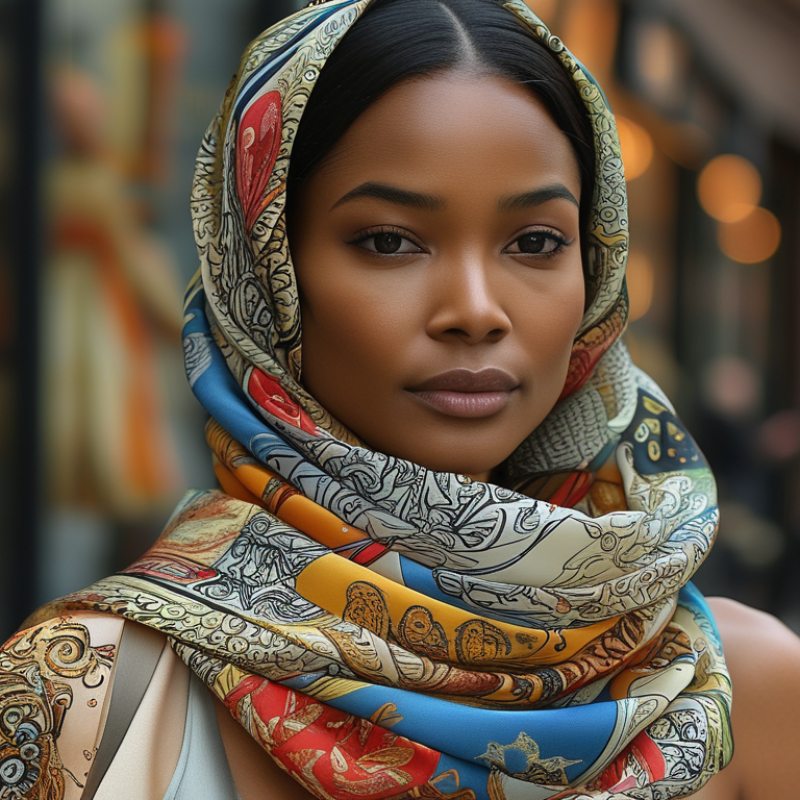
Foulard Pattern Origins: Historical Significance in Fashion Industry
Foulard patterns have rich historical roots in the fashion industry. Originating in the 17th century, these designs were influenced by silk textiles from the Far East. The name "foulard" derives from the French word for "handkerchief." These patterns often feature intricate motifs and soft colors, making them a staple in both men's and women's fashion. According to a 2022 market analysis report, the global printed fabric market, including foulard patterns, is projected to grow by 3.5% annually.
Foulard patterns symbolize elegance and sophistication. Their usage can be traced back to the courts of royalty, where unique patterns conveyed status and taste. In contemporary fashion, foulard designs are popular not only in clothing but also in accessories like scarves and ties. A recent survey shows that 45% of fashion consumers prefer designs that tell a story or reflect historical significance.
Tips for incorporating foulard patterns into your wardrobe: choose classic colors for versatility. Pair a foulard-patterned scarf with solid colors for a balanced look. If experimenting with bold designs, keep the rest of your outfit simple. Embracing these patterns might challenge your style, but it can also elevate your fashion game. Reflect on how historical patterns can reshape your personal aesthetic and connect with the past.
Key Characteristics of Foulard Patterns: Materials and Designs
Foulard patterns are a staple in fashion, embodying elegance and versatility. Typically characterized by intricate designs, these patterns often feature motifs like paisleys or floral elements, crafted from lightweight materials like silk or cotton. A 2023 industry report indicates that silk foulards have seen a 15% increase in consumer demand due to their luxurious feel and breathability. This suggests a strong preference for quality fabrics in modern wardrobes.
When choosing materials, consider the drape and texture. Foulard patterns can enhance both casual and formal outfits. Look for variations in scale and color. Larger motifs provide bold statements, while smaller designs can offer subtle sophistication. Based on a 2022 fashion survey, around 62% of buyers prioritize comfort alongside aesthetics, emphasizing the need for quality in fabric choices.
Tips: When styling foulard patterns, mix them with solid colors. This technique balances the visual impact without overwhelming your look. Don’t shy away from layering; it adds depth and personality. Remember that not every foulard pattern suits all body types. Experiment to find what works best for you.
Cultural Interpretations of Foulard Patterns Across Different Regions
Foulard patterns offer a rich tapestry of cultural meanings globally. Originating in France, these patterns often feature intricate, repeating motifs. In European fashion, they signify elegance and sophistication. Many designers incorporate them in scarves and ties, making them staples for chic outfits.
In Asia, foulard patterns reflect versatility and symbolism. In countries like Japan, they can embody traditional themes. These patterns may carry spiritual or nature-inspired designs, reflecting a deep connection to the environment. In contrast, in South Asian cultures, bold colors and paisley designs dominate, showcasing vibrancy and celebration.
Tips: Consider incorporating foulard patterns into your wardrobe for versatile styling. Mix them with solid colors for a balanced look. Pay attention to the cultural context; it adds depth to your outfit. Explore different regions' interpretations to appreciate their heritage. Recognize that fashion can be subjective. What works for one may not resonate with another. Thus, always adapt styles to your comfort and identity.
How to Understand Foulard Pattern Meaning in Fashion? - Cultural Interpretations of Foulard Patterns Across Different Regions
| Region |
Cultural Significance |
Common Colors |
Usage in Fashion |
| France |
Elegance and sophistication, often associated with haute couture. |
Navy, Burgundy, Gold |
Scarves, ties, and formal wear. |
| Italy |
Symbol of luxury and artisanal craftsmanship. |
Bright colors like Red, Green, and Azure |
Fashion accessories and haute couture clothing. |
| India |
Represents tradition and often used in ethnic wear. |
Turquoise, Yellow, and Off-white |
Sarees, dupattas, and accessories. |
| Japan |
Symbolizes nature and seasons, often incorporated in traditional garment design. |
Pastels along with Black and White |
Kimonos and modern streetwear. |
| Middle East |
Reflects heritage and identity, often used in formal clothing. |
Deep Blue, Gold, and White |
Thobes, scarves, and ceremonial attire. |
Contemporary Uses of Foulard Patterns in High Fashion and Streetwear
Foulard patterns have made a notable comeback in both high fashion and streetwear. These intricate designs often feature delicate motifs, typically woven or printed on luxurious fabrics. They convey a sense of sophistication and history, bridging the gap between traditional elegance and modern aesthetics. The patterns often include paisleys, florals, or geometric shapes that tell a story about their origins, creating a visual dialogue with the wearer.
In streetwear, foulard patterns are reinterpreted with an edgy twist. Designers often use bold colors and oversized prints to make a statement. The patterns add a layer of complexity to otherwise simple garments. T-shirts, hoodies, and even accessories are now graced with these traditional motifs, inviting discussion. However, the challenge lies in how well these designs resonate with diverse audiences. Not everyone appreciates the same aesthetic, which can lead to varying interpretations of style.
Interestingly, the juxtaposition of traditional foulard designs with contemporary silhouettes sometimes feels forced. It makes one question whether the marriage of these styles is genuine or merely trendy. Fashion thrives on experimentation, yet some combinations risk losing their artistic integrity. It's essential to analyze how foulard patterns can be effectively integrated into wardrobes without appearing superficial or overly contrived.
Market Trends: Popularity and Demand for Foulard in Fashion Retail
Foulard patterns have gained significant traction in the fashion market. These intricate designs offer a unique blend of elegance and tradition. Fashion retailers are increasingly incorporating foulard patterns into their collections. The vibrant colors and intricate motifs appeal to a broad audience. As a result, the demand for such patterns has surged.
Shoppers are drawn to foulard designs for their versatility. These patterns work well in accessories, clothing, and home textiles. The appeal lies in their ability to elevate any outfit with a touch of sophistication. Retail analysts note that foulard patterns often become the centerpiece of a garment. However, it's essential to ensure that the designs remain fresh and innovative. Stagnation can lead to a decline in interest and sales.
While the popularity of foulard patterns is clear, brands face challenges. The market can become saturated with similar designs. Differentiating products is crucial for maintaining consumer interest. Sustainability is also a growing concern. Shoppers are becoming more aware of the production process behind their purchases. This awareness can influence their buying decisions. Thus, retailers must navigate the balance between trend and ethics.
FAQS
: Foulard patterns originated in the 17th century, influenced by silk textiles from the Far East.
They symbolize elegance and sophistication, often reflecting status and taste in royal courts.
Choose classic colors for versatility and pair with solid colors for a balanced look.
Foulard patterns are typically crafted from lightweight materials like silk or cotton.
They often feature intricate motifs like paisleys or floral elements, varying in scale and color.
In Europe, they signify elegance, while in Asia, they express traditional themes and nature connections.
Consider drape, texture, and how patterns suit your body type. Experiment to find what works best for you.
Many buyers prioritize comfort alongside aesthetics, making quality fabric choices essential.
Yes, mixing with solid colors and layering can add depth without overwhelming your overall look.
Think about how these historical patterns reshape your personal style and connect you to the past.
Conclusion
The article titled "How to Understand Foulard Pattern Meaning in Fashion?" explores the complexities surrounding the foulard pattern within the fashion industry. It begins by tracing the origins of the foulard pattern, highlighting its historical significance and how it has evolved over time. Key characteristics of foulard patterns are examined, including the materials used and the distinctive designs that define them. Additionally, the article delves into cultural interpretations of these patterns across various regions, illustrating how they reflect local aesthetics and traditions.
In contemporary fashion, foulard patterns have found their place in both high fashion and streetwear, demonstrating their versatility and enduring appeal. The article also addresses current market trends, emphasizing the popularity and demand for foulard patterns in fashion retail. Ultimately, readers gain insight into what does foulard pattern mean in fashion, appreciating its rich background and contemporary relevance.

 U-Rare Fashion