Understanding the nuances between accessories can transform your wardrobe. "What is the difference between a shawl and a wrap?" is a question often posed by fashion enthusiasts. According to renowned textile expert, Sarah McCoy, "Both garments serve unique purposes and can dramatically change an outfit's aesthetic."
In 2022, the global market for shawls and wraps was estimated at $2 billion, reflecting a growing interest in versatile fashion. Shawls typically feature a larger, rectangular design and provide a cozy layer for chilly weather. Wraps, on the other hand, tend to be lighter and more structured, often designed to be cinched at the waist.
This distinction can impact your style choices. Choosing the right piece can enhance both comfort and fashion. However, many still overlook how these items can elevate a simple outfit. Understanding these differences is essential for making informed fashion decisions while ensuring you feel confident in your choices. An accessory can indeed reflect your personal style, but understanding its purpose is equally crucial.
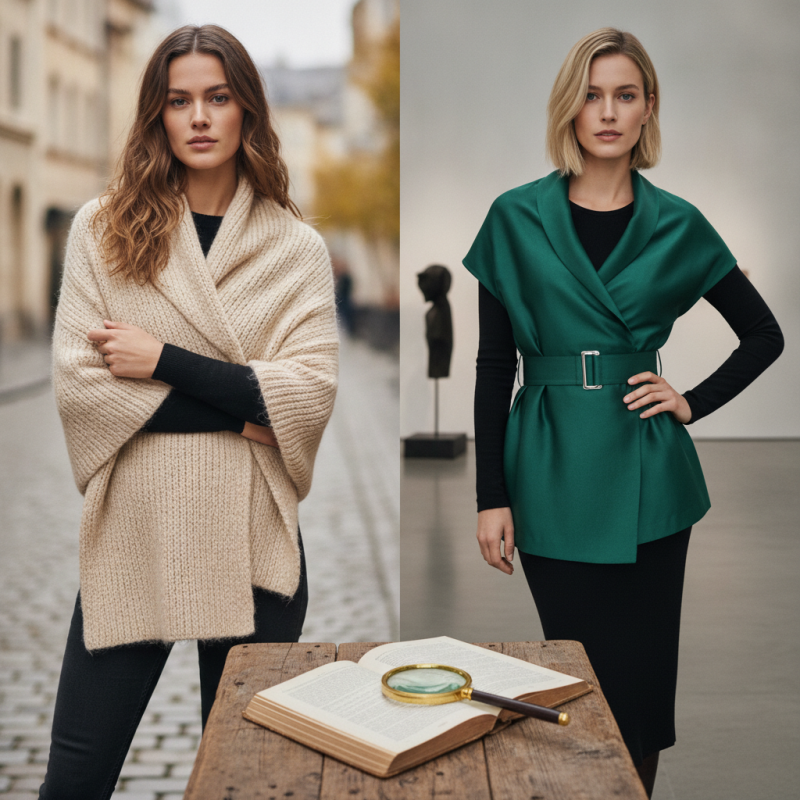
Definition of Shawls and Wraps: Understanding the Basics
Shawls and wraps are often used interchangeably but have distinct characteristics.
A shawl is typically rectangular or square. It’s designed to be worn around the shoulders.
Made from various materials, shawls can be heavy or lightweight.
Common fabrics include wool, cashmere, and silk.
According to a report from the Global Textile Industry, shawl production has increased by 15% in recent years, showing their growing popularity.
Wraps, on the other hand, are usually larger and more versatile.
They can be draped over the body in numerous ways. Wraps might feature intricate designs and textures, appealing to fashion-conscious individuals.
The market for wraps grew by over 20% last year, highlighting their demand. Many consumers prefer the flexibility of wraps for layering in different seasons.
While shawls offer warmth and comfort, wraps provide style and versatility.
However, some consumers struggle with choosing between the two. This decision often depends on personal style and occasion.
Reflecting on these factors can help streamline shopping choices. Understanding these basic definitions is essential for making informed fashion decisions.
Material Differences: Fabrics Used in Shawls vs. Wraps
When considering shawls and wraps, the materials used significantly affect their appearance and function. Shawls are often crafted from lighter fabrics such as cotton, silk, and chiffon. These materials lend itself to delicate draping and elegant designs. You might find a shawl adorned with intricate lace or embroidery, enhancing its beauty. In contrast, wraps are typically made from heavier materials like wool, cashmere, or fleece. This makes them perfect for colder weather, providing warmth without compromising style.
The texture is another key difference. Shawls usually have a softer feel, making them ideal for layering over dresses or evening wear. Wraps, on the other hand, tend to offer more structure, making them suitable for casual outfits. The variety in fabric choices means that each piece serves a distinct purpose in your wardrobe. It’s essential to choose the right material for your needs, whether it's for warmth or style. Remember, the right fabric can elevate your entire outfit.
Shawl vs Wrap: 5 Key Differences You Should Know
| Feature |
Shawl |
Wrap |
| Design |
Often triangular or square in shape |
Typically rectangular or oversized |
| Fabric Weight |
Usually lightweight fabrics |
Can be made from heavier materials |
| Common Uses |
Evening wear, formal events |
Casual outings, layering |
| Styles |
Variety of styles including lace, knit |
Chic drapes and ponchos |
| Versatility |
Less versatile, often stays in one position |
Highly versatile, can be styled in multiple ways |
Functionality: When and How to Use Shawls and Wraps
Shawls and wraps serve distinct purposes in the realm of fashion. A
shawl typically covers the shoulders and is often designed for warmth.
It can be worn with formal attire, elevating an outfit's elegance. In contrast, a
wrap is usually larger and more versatile. It often doubles as a blanket.
This makes it ideal for both casual and dressy occasions.
Consider how you use these accessories. A shawl is great for chilly evenings at weddings or outdoor events.
Its tailored structure can enhance a sophisticated look. On the other hand, a wrap can be your
go-to for travel. Picture yourself at the airport, wrapping up in a soft fabric to stay cozy during long flights.
The choice between them depends on your lifestyle and the situations you encounter.
Reflecting on personal style can be valuable. You might realize that a closet full of
shawls doesn't meet your everyday comfort needs. Conversely, too many wraps could overload your outfits.
Aim for a balanced approach.
Select a few well-made pieces that resonate with your fashion sense, ensuring you can adapt to various occasions seamlessly.
Style Variations: Fashion Trends in Shawls and Wraps
Shawls and wraps have become essential wardrobe staples, reflecting the latest fashion trends. They offer versatility in layering and can easily enhance any outfit. According to recent fashion industry reports, the global shawl and wrap market is projected to reach $7 billion by 2025, highlighting their growing popularity. This indicates a shift towards more functional and stylish accessories in daily wear.
Style variations in shawls and wraps are significant. Shawls often feature heavier fabrics, ideal for colder months. In contrast, wraps tend to be lighter, making them perfect for transitional weather. The trend has moved towards eco-friendly materials, with over 50% of consumers prioritizing sustainability. Not all styles suit every body type, and this diversity should be embraced. Consumers might struggle to find the perfect match for their personal style.
Fashion enthusiasts are increasingly drawn to unique patterns and textures. Handcrafted or artisanal options are becoming sought after. However, the market also faces challenges with mass-produced goods that lack individuality. The balance between stylish and sustainable remains a critical consideration. For every trend, there is a reflection needed on how best to express personal style while being mindful of quality and impact.
Shawl vs Wrap: Key Differences in Style Variations
Cultural Significance: Historical Context of Shawls and Wraps
Shawls and wraps both hold rich cultural significance throughout history. Shawls originated in regions like Kashmir, adorned with intricate patterns, often passed down through generations. These garments not only provide warmth but also represent identity and heritage. Many cultures use shawls in rituals, symbolizing protection and comfort.
Wraps, while sometimes considered a more casual alternative, also carry deep meanings. In various societies, wraps are used in ceremonies and storytelling. They often serve as a canvas for artistic expression, showcasing local art and craftsmanship. The materials used can reflect the wearer's social status or cultural background.
While both garments serve practical and aesthetic purposes, their roles can blur. The evolving fashion landscape sometimes oversimplifies their importance. It's vital to recognize their unique stories and the emotional connections they foster. This reflection deepens our understanding of these timeless pieces.
FAQS
: A shawl is typically rectangular or square and worn around the shoulders, while wraps are larger and more versatile.
Shawls are often made from lighter fabrics like cotton, silk, and chiffon, enhancing their delicate look.
Wraps have grown in demand due to their versatility in layering and unique designs appealing to style-conscious consumers.
Shawls have a softer feel, ideal for evening wear, whereas wraps offer more structure for casual outfits.
Reflect on your personal style and occasion to choose the piece that best fits your wardrobe needs.
Yes, choosing the appropriate material can significantly enhance the overall appearance and warmth of your look.
Conclusion
In exploring the question of "what is the difference between a shawl and a wrap," it is essential to understand the fundamental definitions of these two accessories. Shawls are typically larger, often rectangular or square pieces of fabric that can be draped over the shoulders, while wraps are generally lighter and may come in various shapes. The materials used in each can vary significantly, with shawls often made from heavier fabrics like wool or cashmere, whereas wraps tend to be crafted from lighter materials such as chiffon or silk, offering a breezier feel.
Functionally, shawls and wraps serve different purposes; shawls provide warmth and coverage, making them ideal for colder weather, while wraps are more versatile for casual or warmer occasions. Additionally, style variations reflect current fashion trends, as both items are constantly reinvented in design and use. Lastly, the cultural significance of these items reveals a rich historical context, with shawls often linked to specific traditions and wraps being embraced in contemporary fashion scenes.

 U-Rare Fashion