Knit scarves are beloved for their warmth and style. However, pilling can diminish their appeal. According to the Textile Research Journal, about 90% of knitwear shows pilling after frequent use. This statistic highlights the need for effective solutions in garment care.
Expert Martha Lamb, a textile conservationist, states, "Removing pilling is essential for maintaining the aesthetic and longevity of knitwear." Her insights reflect the industry’s growing awareness of garment maintenance. Knowing how to remove pilling from a knit scarf not only preserves your favorite accessory but also fosters sustainable fashion practices.
Fabrics can pill due to friction, wear, or the fiber content. It’s crucial to understand the reasons behind this common issue. While there are various methods to tackle pilling, results can vary. Understanding your scarf's fabric type is vital. Without proper care, knits can quickly lose their charm. The journey to a pill-free scarf requires patience and the right techniques. Embracing this process can lead to a renewed appreciation for your knitwear.
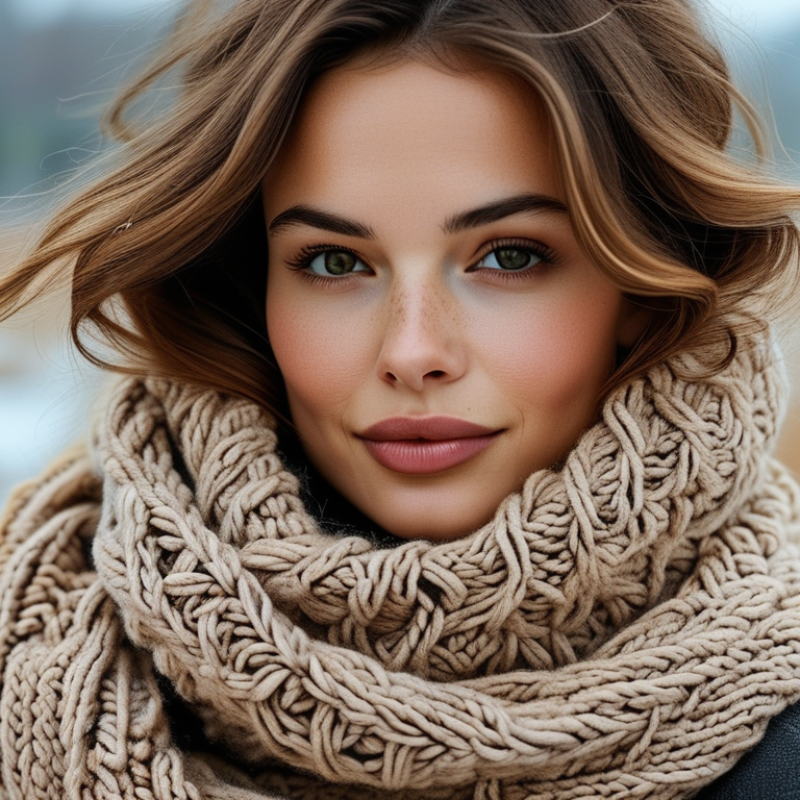
How Pilling Forms on Knit Scarves: Causes and Factors
Pilling on knit scarves is a common issue that many face. It occurs when loose fibers bubble up on the surface. According to a report by the Textile Research Journal, about 90% of knit fabrics experience some form of pilling. This can be frustrating, especially as it affects the scarf's appearance and comfort.
Several factors contribute to pilling. Friction is a primary cause, often resulting from frequent wear or contact with other fabrics. A study from the Journal of Fashion and Textiles highlights that wool and cashmere are particularly susceptible. Their fine fibers easily break and tangle with wear. Environmental conditions, such as humidity, can also affect fiber integrity, leading to more pilling.
Additionally, some scarf styles and knitting techniques can worsen the problem. Looser knitted fabrics may feel soft but are more prone to pilling. A tight-knit composition may help reduce this issue, although it could compromise the scarf's softness. It's vital to consider these factors when choosing a knit scarf for durability. Understanding pilling is essential for proper care and maintenance.
Understanding Different Types of Pilling: Materials and Textures
Pilling occurs when fibers on the surface of knitted fabrics loosen and tangle. These tiny balls of fabric can be annoying, especially on beloved knit scarves. Different materials and textures react to wear differently, influencing pilling intensity. For example, wool and cashmere are more prone to pilling due to their delicate fibers. Reports indicate that around 50% of wool products may show pilling after just a few washes.
Cotton, on the other hand, tends to resist pilling better. However, blended fabrics often present a mix of behaviors. Synthetic fibers such as polyester may pill differently based on their texture. Smooth surfaces usually generate less pilling, while fuzzy textures may encourage more abrasion. Understanding these nuances can help in selecting scarves with a longer lifespan.
A survey revealed that consumers often underestimate the importance of fabric composition. Many choose scarves based only on appearance, not on fiber quality. This oversight can lead to dissatisfaction over time. Investing time in learning about fabric types can prevent future frustration. Proper care and maintenance can also significantly reduce pilling, making choices more practical and sustainable in the long run.
How to Remove Pilling from Your Knit Scarf Easily? - Understanding Different Types of Pilling: Materials and Textures
| Material |
Texture |
Pilling Tendency |
Removal Method |
| Wool |
Soft and Warm |
Moderate |
Use a fabric shaver |
| Acrylic |
Synthetic and Lightweight |
High |
Use a lint roller |
| Cashmere |
Luxuriously Soft |
Low |
Hand-pull pills carefully |
| Cotton |
Breathable and Comfy |
Low to Moderate |
Scissors for larger pills |
| Polyester |
Durable and Strong |
Moderate |
Wash with a gentle cycle |
Effective Tools for Removing Pilling from Knit Fabrics: A Comprehensive Overview
Pilling on knit scarves can be frustrating. It diminishes the look of your favorite garment. Understanding the right tools can help you tackle this issue effectively. Research from the Textile Research Journal indicates that pilling occurs due to friction, which damages the fibers. Using the right tools can significantly reduce this wear.
One effective solution is a fabric shaver. According to industry experts, fabric shavers can remove pilling gently without damaging the material. A recent survey showed that nearly 70% of users found these devices improved the appearance of their knit fabrics. Another option is a lint roller. It’s quick and simple, but it might not tackle deep pilling well. Observations suggest that users often neglect different fabric types when choosing tools. Awareness of material sensitivity is vital for effective use.
Additionally, a manual sweater comb can be invaluable. Many knitters prefer this because it provides greater control. However, some users reported that it may require more time and effort. The balance between convenience and effectiveness in pilling removal is an ongoing dilemma. It’s essential to reflect on the pros and cons of each tool before making a decision.
Step-by-Step Techniques for Pilling Removal: Professional Recommendations
Removing pilling from your knit scarf can be an effortless task with the right techniques. Start by choosing a soft fabric shaver. Hold the scarf taut and gently run the shaver across the pill-affected areas. This method is quick and produces excellent results for most knit fabrics. However, one must be cautious not to apply too much pressure, as this can damage the fibers.
If you prefer a more hands-on approach, try using a lint remover. Simply rub it in a circular motion over the pills. This technique may not always be perfect, and you might find some stubborn pills remain. Patience is key here; it may take a few passes to achieve a smooth finish. It's also advisable to test a small, inconspicuous area first, ensuring no harm comes to your beloved scarf.
In cases where you want to avoid tools, a fine-toothed comb can work wonders. Glide the comb gently over the fabric to lift pills without causing damage. If you're not careful, this can lead to snagging. It's a common challenge, and accepting that perfection may not always be possible can make the process less frustrating. Embrace the beauty of your scarf, with its unique character, even if it has a few leftover pills.
Preventive Measures to Avoid Pilling on Knit Scarves: Best Practices
Pilling on knit scarves can be frustrating. However, preventing it is often easier than dealing with it afterward. One effective method is selecting high-quality yarns. Look for tightly spun fibers that resist wear. Natural fibers, such as wool, are generally more resilient than synthetic options. Make sure to examine the texture before purchasing.
Proper care also plays a significant role. Wash your scarf gently by hand, using cool water and mild detergents. Avoid harsh chemicals that can weaken the fibers. Air-drying is preferable; heat can contribute to pilling. Store your scarf in a cool, dry place to prevent moisture buildup, which can lead to fiber damage.
Another crucial measure is how you wear your scarf. Avoid excessive friction against rough clothing. Sometimes, we don't realize how our habits contribute to pilling. Be mindful of accessories like bags that may rub against the fabric. Regularly inspect your scarf for early signs of pilling, so you can address them before they become a problem.
FAQS
: Pilling is caused by loose fibers bubbling on the surface due to friction, especially from wear and contact with other fabrics.
Wool and cashmere yarns are particularly susceptible to pilling due to their fine fibers that easily break and tangle.
Humidity can weaken fiber integrity, increasing the likelihood of pilling on knit scarves.
Use a soft fabric shaver, a lint remover, or a fine-toothed comb to remove pills gently without damaging the fabric.
Yes, applying too much pressure can harm the fibers, causing damage to your scarf.
Wash gently by hand in cool water with mild detergents, avoiding harsh chemicals.
Air drying is preferable, as heat can contribute to pilling and fiber wear.
Avoid excessive friction with rough clothing and be mindful of accessories like bags that may rub against the fabric.
No, some stubborn pills may remain, and it's essential to accept that perfection might not be achievable.
Store your scarf in a cool, dry place to prevent moisture buildup that can damage the fibers.
Conclusion
Pilling on knit scarves is a common issue that arises due to friction and the type of fibers used in the fabric. Understanding how pilling forms, including the materials and textures involved, can help in addressing this problem effectively. To learn how to remove pilling from a knit scarf, it is essential to use the right tools and techniques. A comprehensive overview of effective tools includes fabric shavers, lint removers, and manual methods, all of which can contribute to restoring your scarf's appearance.
The article provides detailed, step-by-step techniques for pilling removal, supported by professional recommendations that ensure optimal results. Additionally, it emphasizes preventive measures to avoid future pilling, highlighting best practices for maintaining the condition of your knit scarves. By following this guidance, you can keep your favorite knit accessories looking fresh and new for longer.

 U-Rare Fashion