How to Wash a Cashmere Scarf Without Ruining It?

Time:2026-10-15 Author:Madeline
0%

Learning how to wash a cashmere scarf without ruining it begins with respecting its delicate fibers. Cashmere can feel soft and luxurious, yet it reacts poorly to heat, friction, and harsh detergents. A rushed wash may leave the scarf shrunken, fuzzy, or misshapen. That result is frustrating.

This guide explains a careful, practical method based on common textile-care recommendations and real washing habits. You will learn how to check the care label, test for color bleeding, prepare cool water, and choose a gentle wool detergent. Small details matter, such as supporting the scarf while lifting it from the basin. Never twist it. Press excess water between clean towels instead.

Some mistakes are easy to make. Even experienced washers may use water that feels only slightly warm, then discover the scarf has tightened. I have also found that aggressive towel rolling can distort a loose knit. The safer approach is slower and more controlled. Patience helps.

The phrase “how to wash a cashmere scarf without ruining it” sounds simple, but the process depends on fiber quality, dye stability, and the manufacturer’s instructions. Hand washing is often suitable, but not every cashmere scarf should be treated identically. When the label recommends dry cleaning, follow that guidance. A reputable cleaner can assess embellishments, stains, and unstable dyes more reliably than guesswork. Before washing, inspect the scarf carefully and consider whether cleaning is truly necessary. Fresh air may be enough.
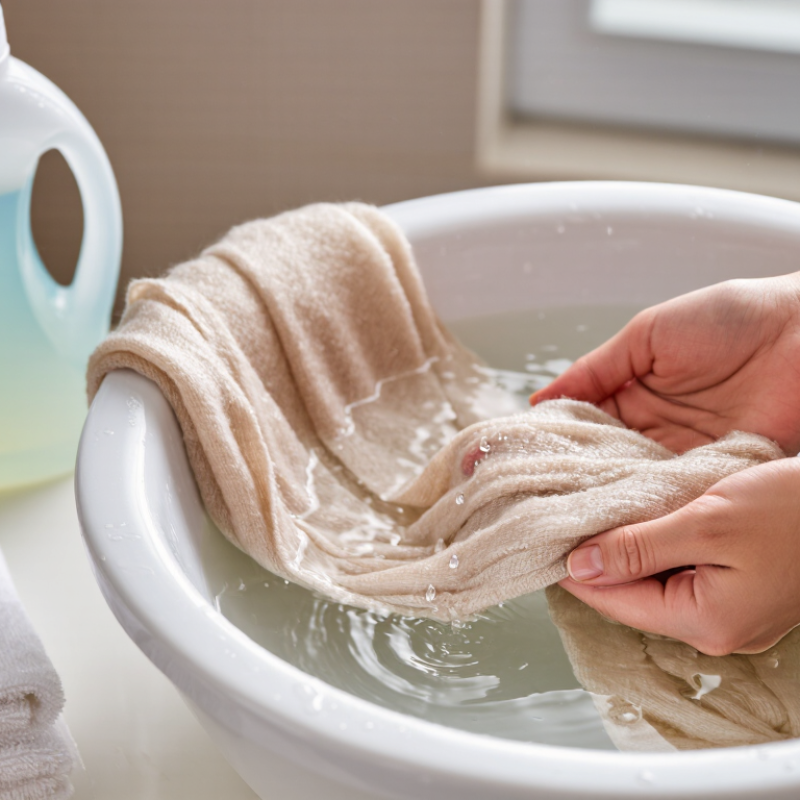
How to Wash a Cashmere Scarf Without Ruining It?

Check the Care Label and Confirm Cashmere’s 14–19 μm Fiber Fineness

Before washing a cashmere scarf, read the care label under bright light. It may specify hand washing, dry cleaning, or no washing at home. Do not guess. Cashmere fibers commonly measure about 14–19 micrometres in diameter, according to technical guidance from the Cashmere and Camel Hair Manufacturers Institute. ISO 17751 also uses microscopic fiber measurement to distinguish cashmere from coarser animal fibers. This fineness explains the softness, but it also increases vulnerability to friction, heat, and sudden temperature changes.

A label marked “hand wash” still requires restraint. Fill a basin with cool water and use a small amount of neutral wool detergent. Let the scarf soak briefly. Press it gently instead of rubbing, twisting, or scrubbing. I would not treat the 14–19 μm range as a washing instruction; it is a fiber measurement, not a guarantee of durability. The 2024 Textile Exchange Materials Market Report also emphasizes that fiber performance depends on processing and care, not diameter alone. That distinction matters.

Rinse with matching-temperature water. Support the wet scarf with both hands, then press it inside a clean towel. Reshape it flat, following the original edges and fringe. Never hang it while wet. I once underestimated how quickly a small twist could distort a fine knit. That detail is easy to miss. If the label says “dry clean only,” follow it, especially when the scarf has embroidery, lining, or visible structure.

Prepare Cool Water Below 30°C and a pH-Neutral Wool Detergent

How to Wash a Cashmere Scarf Without Ruining It?

Cashmere needs gentle handling from the moment washing begins. Check the care label first, especially if the scarf has embroidery or delicate trim. Fill a clean basin with cool water below 30°C. Hot water can shrink or felt the fibers. Add a small amount of pH-neutral wool detergent, then mix it fully before placing the scarf inside. Undissolved detergent may leave pale marks.

Let the scarf soak for five to ten minutes. Press it softly through the water, but never rub, twist, or scrub it. Those movements can stretch the knit or create fuzzy patches. Rinse with cool water until no slippery residue remains. I once rinsed cashmere too quickly, and the leftover detergent made the fabric feel strangely stiff. That mistake changed my routine.

Tips: Keep the water temperature consistent during washing and rinsing. Support the entire scarf when lifting it from the basin. Press out moisture with a clean towel instead of wringing it. Lay the scarf flat on a dry towel, reshape the edges, and let it air-dry away from direct heat. A hanger may leave shoulder-like bumps. Patience matters here.

Gently Hand-Wash for Five Minutes Without Rubbing or Wringing

How to Wash a Cashmere Scarf Without Ruining It?

A cashmere scarf needs patience, cool water, and very little movement. Check the care label before washing, because some scarves require professional cleaning. Fill a clean basin with cool water and add a small amount of mild wool detergent. Turn the scarf inside out, then lower it gently into the water. Let it soak for five minutes. That is usually enough.

Do not rub stains aggressively. Cashmere fibers can felt, stretch, or develop fuzzy patches when handled roughly. Press the scarf softly under the water instead. I once soaked a scarf for nearly twenty minutes, thinking extra time meant better cleaning. It did not. The fabric felt heavier and lost some of its softness. A gentle five-minute wash is safer.

Tips

Lift the scarf with both hands. Never wring it. Press out water carefully, then roll it inside a clean towel and press again. Spread it flat on a dry towel, reshape the edges, and let it air-dry away from direct heat. Avoid hanging it while wet, since gravity may lengthen the fabric. Check the scarf during drying. Small adjustments matter.

How to Wash a Cashmere Scarf Without Ruining It? - Gently Hand-Wash for Five Minutes Without Rubbing or Wringing

Care Stage Recommended Setting Practical Method Why It Matters
Care-label check Before washing Follow the garment label. If it specifies dry clean only, use a professional cleaner. Fiber blends, dyes, and finishes can require different care.
Water temperature Cool to lukewarm; about 20–30°C (68–86°F) Fill a clean basin with enough water to fully submerge the scarf. Hot water can encourage wool fibers to contract and may cause shrinkage or felting.
Detergent Small amount of mild wool or cashmere detergent Use the product’s dilution instructions; avoid bleach, fabric softener, and enzyme-heavy detergents. Harsh chemicals may weaken, dry, or roughen delicate animal fibers.
Washing time Approximately 5 minutes Gently move the scarf through the water and press it lightly. Do not scrub, rub, or twist. Friction and agitation can cause pilling, distortion, and felting.
Soaking Keep it brief; avoid extended soaking Lift the scarf out after washing rather than leaving it in the basin for a prolonged period. Long exposure to water can stretch the fabric and make handling more difficult.
Rinsing Cool water at a similar temperature Rinse gently until the water runs clear. Avoid sudden temperature changes. Consistent temperature helps reduce fiber stress and shape changes.
Water removal No wringing or twisting Support the scarf with both hands, press out excess water gently, then place it on a clean towel. Wet cashmere is delicate and can stretch under its own weight.
Towel drying Short, gentle pressing Roll the scarf inside a towel and press lightly to absorb moisture; do not twist the roll. Absorbing water without friction protects the shape and surface.
Final drying Flat, away from heat and direct sunlight Lay the scarf flat on a dry towel or mesh rack and reshape it to its original dimensions. Flat drying helps prevent stretching, while heat and sunlight may damage fibers or fade color.
Storage Only when completely dry Fold loosely and store in a cool, dry, breathable space; avoid hanging for long periods. Folding reduces shoulder or edge distortion and helps protect the scarf from moisture-related odors.

Quick rule: Use cool water, mild wool detergent, five minutes of gentle movement, and never rub, wring, or tumble-dry cashmere.

Rinse Thoroughly and Remove Moisture with a Clean Towel

After hand-washing your cashmere scarf, rinse it with cool, clean water. Residual soap can stiffen the fibers and irritate sensitive skin. Keep the scarf fully submerged, then gently press it under the water. Avoid rubbing, even around visible spots. Do not twist it. A gentle press works better. Change the water until no foam remains and the water looks clear. This may take several rinses, especially after using too much cleanser. Lift the scarf with both hands to prevent stretching. I used to rinse quickly, but that left a faint slippery feeling after drying. That mistake taught me to slow down.

Place the rinsed scarf flat on a clean, dry towel. Roll the towel and scarf together, like a soft log. Press along the roll with your palms. Do not wring it. Unroll carefully, then move the scarf onto another dry towel if the first feels damp. Repeat the process once or twice. The goal is to remove moisture without crushing the delicate fibers. I sometimes press too firmly when I am in a hurry, so checking the scarf’s shape afterward is worthwhile. It should feel damp, not dripping. Reshape the edges gently, then lay the scarf flat away from direct heat and strong sunlight. Never hang it while wet, because its own weight can lengthen the fabric.

How to Wash a Cashmere Scarf Without Ruining It?

Cashmere fibers are typically finer than most wool fibers, so they benefit from gentle handling. Wash with cool or lukewarm water, rinse thoroughly to remove all cleanser, then press—not wring—the scarf inside a clean towel to remove excess moisture.

Fiber diameter ranges are shown in micrometres (µm); lower values indicate finer fibers.

Reshape and Dry Flat Away from Heat to Prevent Shrinkage

How to Wash a Cashmere Scarf Without Ruining It?

Cashmere needs gentle handling after washing. Fill a basin with cool water and add a small amount of mild wool detergent. Submerge the scarf for five minutes. Press it softly, but never scrub or twist it. Rubbing can disturb the fine fibers and create fuzz.

The critical step is reshaping before drying. Lift the scarf with both hands, supporting its full length. Press out water between clean towels. Do not wring it. Textile Exchange’s 2024 Materials Market Report places wool at roughly 1% of global fiber production, highlighting how limited animal fibers are compared with common synthetics. Cashmere is even more delicate. Its fine structure deserves patience.

Lay the scarf flat on a dry towel. Gently restore the original width, length, and edge shape. Match the corners carefully. Then leave it away from radiators, hair dryers, fireplaces, and direct sunlight. Heat can tighten animal fibers and encourage shrinkage. The International Wool Textile Organisation reports that wool fibers can absorb substantial moisture before feeling wet, so slow drying is practical, not excessive. Never hang a wet scarf. Gravity may stretch it unevenly.

I once hurried this step. The scarf dried near a heater and lost its clean proportions. It looked wearable, but not quite right. That mistake still matters. Check the scarf every few hours and smooth the edges again. Drying may take a full day, sometimes longer.

FAQS

What should I check before washing a cashmere scarf?

Read the care label under bright light. It may require hand washing, professional cleaning, or no home washing. Do not guess.

Why is cashmere especially sensitive to rough handling?

Its fibers commonly measure about 14–19 micrometres. This fine structure feels soft but reacts badly to friction, heat, and sudden temperature changes.

Does fiber fineness guarantee that a scarf will survive washing?

No. Fiber diameter is only one detail. Processing, knitting, finishing, and care also affect durability.

What water temperature should I use?

Use cool water below 30°C. Keep the washing and rinsing temperatures similar. Hot water can shrink or felt the fibers.

Which detergent is suitable for cashmere?

Choose a small amount of pH-neutral wool detergent. Mix it fully before adding the scarf. Undissolved detergent may leave pale marks.

How should I wash the scarf by hand?

Soak it for five to ten minutes. Press it gently through the water. Never rub, twist, or scrub the fabric.

How can I remove water without damaging the scarf?

Support the entire scarf with both hands. Press it inside a clean towel. Do not wring it.

How should I dry and reshape a washed scarf?

Lay it flat on a dry towel. Follow its original edges and fringe. Keep it away from direct heat. Never hang it wet.

What mistakes can make the scarf feel or look worse?

Rinsing too quickly may leave detergent behind and create a stiff feeling. A small twist can distort fine knitting. I underestimated that once.

When should I avoid washing the scarf at home?

Follow the label when it says professional cleaning only. Extra caution is needed with embroidery, lining, or visible structure. Safer is not always perfect.

Conclusion

Learning how to wash a cashmere scarf without ruining it starts with checking the care label and understanding that cashmere fibers are exceptionally fine, typically measuring about 14–19 microns. Fill a basin with cool water below 30°C and add a small amount of pH-neutral detergent designed for delicate wool fabrics. Submerge the scarf and gently move it through the water for about five minutes. Avoid rubbing, twisting, or wringing, as these actions can damage the fibers and cause the scarf to lose its shape.

Rinse the scarf thoroughly in cool water until no detergent remains. Press it gently between clean towels to absorb excess moisture instead of squeezing it. Then carefully reshape the scarf while it is damp and lay it flat on a dry towel or mesh surface. Keep it away from direct heat, radiators, and strong sunlight, allowing it to air-dry naturally and reducing the risk of shrinkage or distortion.

Madeline

Madeline

Madeline is a dedicated marketing professional with a wealth of expertise in our company's core offerings. With a keen understanding of the industry, she brings a unique perspective to her role, consistently delivering high-quality content that highlights the superior aspects of our products. As......