Sweat stains can turn a clean baseball hat into a yellowed, stiff, and slightly embarrassing accessory. The marks usually contain salts, body oils, and deodorant residue. Heat can make them harder to remove. That is why aggressive scrubbing often creates a worse ring around the sweatband.
Learning how to remove sweat stains from a baseball hat starts with identifying its material. Cotton, wool, polyester, and foam-backed caps can react very differently to water and detergent. The American Association of Textile Chemists and Colorists (AATCC) recognizes controlled laundering and stain-release tests, including AATCC TM61 and TM130. These standards show why temperature, agitation, and cleaning chemistry must be managed carefully. A hat is not simply a small shirt.
Industry consumer research also supports gentler care. The American Cleaning Institute’s National Cleaning Survey regularly identifies clothing freshness and stain removal as major household cleaning priorities. Cotton Incorporated’s Lifestyle Monitor research further shows that consumers value easy-care and long-lasting apparel. A baseball hat deserves the same attention. It touches skin, absorbs sweat, and often keeps its shape through a stiff brim.
The seven methods below move from mild cleaning to stronger spot treatment. Start slowly. Test an inside seam first. I have found that patience usually beats force, although no method is perfect for every cap. Avoid soaking vintage hats without checking their construction. A faded logo or warped brim cannot always be repaired. Careful cleaning protects both the fabric and the memories attached to the hat.
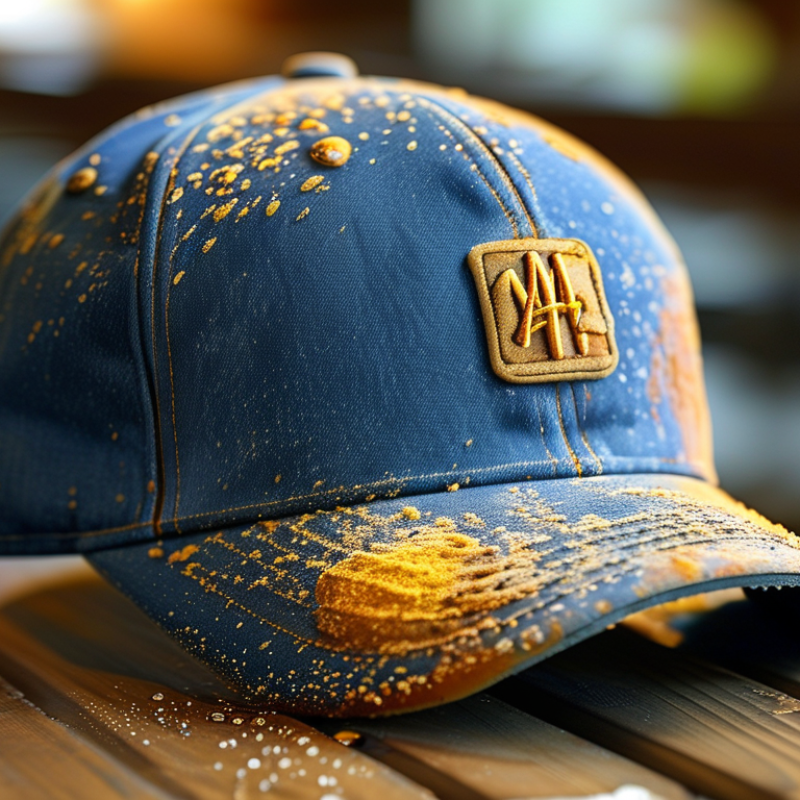
Before choosing one of the seven cleaning methods, identify the hat’s fabric. Textile Exchange’s 2024 Materials Market Report estimates polyester represented about 57% of global fiber production in 2023. Polyester caps usually resist shrinking, but heat can distort their shape. Cotton absorbs more moisture and may hold yellowish sweat marks longer. Wool, leather, and structured blends need gentler treatment.
Check the care label, then inspect the stain under bright light. A fresh, pale ring is usually mild. Dark, stiff, or sour-smelling patches suggest deeper residue. AATCC perspiration-colorfastness methods show that sweat can affect dyes, especially when moisture, body salts, and heat remain together. Test a hidden area first. I once underestimated a “small” mark and spread it while scrubbing. That mistake is easy to repeat. Use cool water and mild detergent before stronger methods. Avoid chlorine bleach unless the care instructions specifically allow it.
Tips: Blot, do not grind. Place a towel inside the crown to preserve its shape. For cotton, gently soak the stained area. For polyester, a soft brush may loosen surface buildup. Never use hot water on an unknown fabric. Air-dry the hat away from direct sunlight, then reassess the stain when completely dry. A second gentle treatment is often safer than one aggressive attempt.
Removing sweat stains from a baseball hat starts with safe preparation. Check the care label before wetting the fabric, because wool, cotton, and synthetic fibers react differently. Gather cool water, a small bowl, mild laundry detergent, a soft toothbrush, white towels, and a clean white cloth. Avoid bleach, harsh solvents, and hot water. Heat can set sweat marks and distort the hat’s shape.
Test for colorfastness before cleaning the visible stain. Dampen the white cloth with diluted detergent, then press it against a hidden area, such as the underside of the brim. Hold it there for about 30 seconds. Check the cloth for transferred dye and inspect the test spot for fading or bleeding. Let the area dry fully, since some color changes appear later. If the color moves, stop and use professional hat-cleaning advice.
I usually place a towel inside the crown to support its shape. Then I gently dab the sweat line instead of scrubbing aggressively. A soft toothbrush can loosen residue around seams, but light pressure matters. I once rubbed too hard and created a fuzzy patch, so patience is essential. Work in small sections with cool, soapy water. Rinse with a barely damp cloth, remove excess moisture with a towel, and air-dry the hat away from direct heat. Don’t reshape it after it becomes completely dry.
Sweat stains need pre-treatment, not aggressive scrubbing. Sweat leaves salt, skin oils, and proteins inside hat fibers. A mild liquid laundry detergent works well for most cotton and polyester caps.
Textile Exchange’s 2024 Materials Market Report states that polyester represented about 57% of global fiber production in 2023. This matters because synthetic fibers can hold oily residue and odors.
Mix one teaspoon of mild detergent with two cups of cool water. Dip a soft toothbrush into the solution. Gently work it into the sweat marks, especially around the inner band. Leave it for 10 to 15 minutes.
Avoid hot water, which may set protein-based marks. Avoid chlorine bleach, too. It can weaken fibers and damage colored fabric.
AATCC Technical Manual testing shows that one accelerated 45-minute wash can represent about five home launderings. Repeated harsh cleaning may shorten a hat’s life faster than expected.
Tips: Test the solution on a hidden seam first. Blot with a clean white cloth. Do not twist the crown. For structured hats, keep soaking brief and rinse carefully. Let the hat air-dry over a rounded towel to protect its shape.
The process is not perfect. Older yellow marks may fade instead of disappearing, and stubborn stains sometimes need a second gentle treatment. Inspect the fabric after drying, since damp material can hide remaining discoloration.
Sweat marks respond best to patient cleaning, not aggressive scrubbing. I usually start by brushing away dry dust with a soft toothbrush. Then I test a small hidden area with cool water and mild laundry detergent. This matters because some hat dyes run unexpectedly.
Dab the stained band with a damp cloth, working from the outside toward the center. Do not soak the crown yet. A heavily soaked hat can lose its shape quickly.
For stubborn stains, let the hat sit in cool, soapy water for five to ten minutes. Gently press the fabric between your fingers. Never twist, wring, or scrub the brim sharply.
Use a cotton swab for narrow sweat lines and a soft cloth for larger areas. Rinse with cool water until no soap remains.
I once used warm water and rushed this step. The hat dried with a faint crease that was difficult to remove. That mistake still influences my cleaning routine.
Place a clean towel inside the crown while the hat dries. Shape the panels by hand, then rest the hat on a bowl or rounded container. Keep it away from direct heat and strong sunlight.
Air drying is slower, but safer. Check the hat after an hour and smooth any developing wrinkles.
For older hats, hand washing may not fully remove yellowing. In that case, repeating a gentle treatment is usually wiser than using harsh bleach or intense friction.
Sweat stains on a baseball hat often contain salt, skin oil, and sunscreen residue. Start by checking the care label and inspecting the fabric. Brush away dried salt with a soft toothbrush. Test diluted detergent on an inside seam. This prevents unexpected fading. Cool water is safer than hot water, which can set stains or shrink cotton.
Mix a small amount of mild detergent with cool water. Dab the stained sweatband and gently massage it with your fingers. For stubborn marks, let the hat soak briefly, but only if its care label allows soaking. Clean the brim carefully, especially when it contains cardboard or a delicate inner layer. Rinse under cool running water until no slippery residue remains. Keep rinsing.
Do not twist the hat. Press it between clean towels instead. Reshape the crown while it is still damp, using your hand or a small bowl as support. Straighten the brim gently. Place the hat in a cool, ventilated area and let it air-dry naturally. Avoid direct heat and tumble dryers. They can distort the crown. A small fan may improve airflow, but strong heat is unnecessary. I have sometimes rushed the rinse and noticed a stiff band later. That mistake reminded me to rinse longer than expected. If a faint ring remains after drying, repeat the gentle cleaning rather than scrubbing harder.
| Method | Best For | What You Need | Water & Time | How to Use It | Hat-Care Precautions |
|---|---|---|---|---|---|
| 1. Mild Detergent Spot Clean | Fresh sweat marks and routine cleaning on cotton, polyester, or nylon hats | Cool water, a small amount of mild liquid laundry detergent, soft toothbrush, clean towel | 10–15 minutes | Blot the stain, apply diluted detergent, and gently brush from the outside toward the center. Wipe away the detergent with a damp cloth. | Use a small amount of detergent to prevent residue. Do not scrub aggressively, especially around embroidery or printed details. |
| 2. Baking Soda Paste | Set-in odor and light yellow or gray sweat discoloration | 3 tablespoons baking soda, 1 tablespoon cool water, soft toothbrush | 15–30 minutes | Mix into a soft paste, spread it over the stain, and gently work it into the fabric. Remove the paste with a damp cloth, then rinse lightly. | Test an inconspicuous area first. Baking soda is mildly abrasive, so avoid vigorous rubbing on delicate fibers. |
| 3. Diluted White Vinegar Pre-Treatment | Perspiration odor and mineral residue from dried sweat | Equal parts white vinegar and cool water, cotton cloth, soft brush | 10–15 minutes | Dab the diluted solution onto the stain, allow it to work briefly, and gently brush the area. Rinse thoroughly with cool water. | Never mix vinegar with chlorine bleach. Avoid using it on silk, leather, suede, or hats with uncertain dye stability. |
| 4. Oxygen-Bleach Soak | Stubborn yellowing on white or colorfast washable fabric hats | Color-safe oxygen bleach, cool or lukewarm water, basin, soft brush | 30–60 minutes | Dissolve the oxygen bleach according to its package directions. Soak only if the care label permits, then gently brush stained areas and rinse very well. | Do not use chlorine bleach. Check colorfastness first, and do not use this method on wool, leather, suede, or hats with non-washable structures. |
| 5. Enzyme Detergent Treatment | Older protein-based sweat stains on washable cotton or synthetic fabric | Enzyme-containing laundry detergent, cool water, soft toothbrush | 15–30 minutes | Apply diluted detergent to the sweatband and stained fabric. Let it sit briefly, brush gently, and rinse until the water runs clear. | Use cool water because hot water can make some protein-based stains more difficult to remove. Follow the garment-care label. |
| 6. Hand-Wash the Entire Hat | Overall buildup, strong odor, or stains spread across the crown and sweatband | Basin, cool water, mild detergent, soft brush, clean towels | 20–30 minutes | Fill a basin with cool water and a small amount of detergent. Gently wash the hat by hand, focusing on the sweatband, then rinse repeatedly. | Avoid twisting or wringing. Older hats may have cardboard brims, which can become warped or damaged when soaked. |
| 7. Professional or Specialized Material Cleaning | Wool, leather, suede, structured vintage hats, or hats with fragile decorations | Material-specific cleaner or a qualified hat-cleaning service | Follow product or service instructions | Read the care label and use a cleaner specifically intended for the hat material. For valuable or delicate hats, obtain professional advice before applying liquid. | Do not saturate leather or suede. Avoid home soaking when the brim contains cardboard or when the hat’s construction is unknown. |
| Rinse, reshape, and air-dry properly: After cleaning, rinse away all detergent or treatment residue with cool water. Press the hat gently in a clean towel, reshape the crown and brim by hand, and air-dry it away from direct heat and strong sunlight. Do not use a clothes dryer, radiator, or hair dryer, as heat can shrink fabric, fade color, or distort the shape. | |||||
Read the care label carefully. Wool, cotton, and synthetic fibers may react differently. Avoid wet cleaning if the label warns against it.
Prepare cool water, mild liquid detergent, a soft toothbrush, white towels, and a clean white cloth. Keep the tools gentle.
Dab diluted detergent onto a hidden brim area. Press a white cloth there for 30 seconds. Let the spot dry fully.
Stop cleaning the visible stain. Color movement suggests fading or bleeding may occur. Seek suitable hat-cleaning advice.
Mix one teaspoon of mild detergent with two cups of cool water. Dab the sweatband gently, then wait 10 to 15 minutes.
No. Use light pressure around seams and the inner band. Hard scrubbing can create fuzzy patches. I learned this the annoying way.
Rinse with cool water until no slippery detergent remains. Do not twist the crown. Press it between clean towels instead.
Support the damp crown with a towel or small bowl. Straighten the brim gently, then air-dry it away from direct heat.
Repeat the gentle treatment once. Older marks may fade rather than disappear. A perfect result is not guaranteed.
Avoid hot water, chlorine bleach, harsh solvents, tumble dryers, and strong heat. These can set stains, weaken fibers, or distort the crown.
Learning how to remove sweat stains from a baseball hat starts with identifying the hat’s fabric and judging how severe the stains are. Delicate materials may require extra care, while durable fabrics can often handle a more thorough cleaning. Before starting, gather mild cleaning supplies and test the solution on a hidden area to make sure the color will not fade or bleed.
Next, gently pre-treat the sweat marks with a suitable cleaning solution, working carefully around seams, logos, and decorative details. Wash the hat by hand or with a gentle method that will not weaken the fabric or damage its shape. Avoid harsh scrubbing, twisting, or high heat. After cleaning, rinse away all residue, reshape the crown and brim while the hat is damp, and let it air-dry naturally in a well-ventilated place. Proper drying helps the hat keep its original structure and prevents new odors or stains from developing.
U-Rare Fashion