How to Care for Vintage Lace Gloves

Time:2026-10-05 Author:Isabella
0%

Vintage lace gloves can look delicate, but their history often makes them more fragile than expected. Years of sunlight, skin oils, dust, and poor storage may weaken fine cotton, silk, or synthetic fibers. A careful owner should examine the gloves before attempting any cleaning. Look for yellowing, brittle threads, loose seams, stains, and tiny holes around the fingers.

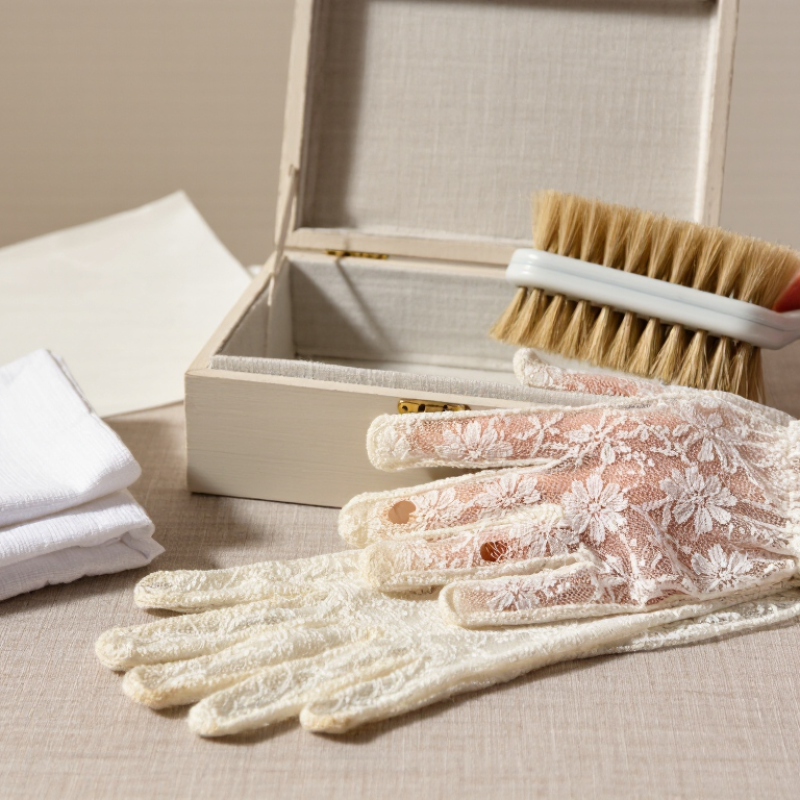
This guide explains how to care for vintage lace gloves with practical, low-risk methods. It draws on textile conservation principles and common handling practices used by museums and collectors. Clean, dry hands are essential. A white cotton cloth, soft brush, acid-free tissue, and breathable storage box can prevent further damage. Avoid pulling the lace over your fingers. Even gentle stretching can enlarge an old tear.

Slow handling matters.

Not every glove should be washed. Water may cause silk to weaken, dyes to run, or old sizing to dissolve. Before using any treatment, test an unseen area only when the fabric appears stable. However, testing itself carries risk, and a professional conservator remains the safest choice for valuable or historically important pieces. This article also recognizes an uncomfortable truth: some stains are part of a glove’s story and may be safer to preserve. Good care is not about making vintage lace look new. It is about protecting its structure, texture, and meaning for the future. Mistakes can happen, especially with unknown fibers, so patience and restraint should guide every decision.
How to Care for Vintage Lace Gloves

Identifying Vintage Lace Glove Materials and Condition

How to Care for Vintage Lace Gloves

Identifying Vintage Lace Glove Materials and Condition

Before cleaning vintage lace gloves, identify their fiber and weakness. Cotton lace usually feels dry and crisp, with a soft, matte appearance. Silk lace feels smoother and warmer, but it may look brittle when aged. Rayon can imitate silk and often has a glassy shine. Synthetic fibers may feel stronger, though older examples can still crack or discolor.

Check the gloves under gentle, indirect light. Look for thinning fingertips, broken threads, yellow spots, and stretched openings. Examine seams and cuffs closely. A musty smell may suggest poor storage, while powdery fibers can indicate serious deterioration. Do not pull the lace or perform a burn test. Even a small test can cause permanent damage. I have sometimes mistaken surface dust for staining, so patience matters.

Tips: Place one glove on white cotton fabric. Photograph both sides before handling. Support the lace with clean, dry hands. If fibers snap during a light touch, stop immediately and consult a textile conservator. Avoid water until the material is identified. Old silk especially may weaken without obvious warning. A little discoloration is often acceptable; fragile structure is not.

Preparing Gloves for Safe Cleaning

How to Care for Vintage Lace Gloves

Preparing Gloves for Safe Cleaning

Before cleaning vintage lace gloves, examine them under soft, natural light. Look for weak seams, powdery fibers, missing threads, and darkened areas around the fingers. Clean, dry hands are essential. Remove rings and bracelets that could catch the lace. Place the gloves on a white cotton towel, then photograph both sides. These records help you notice changes later.

A textile conservator would usually recommend testing color stability first. Touch a hidden seam with a barely damp cotton swab. Use distilled water, and stop if color transfers. Do not pull, stretch, or flatten the lace while handling it. I once assumed a stained cuff needed immediate treatment, but the fiber was already brittle. Waiting was safer. Some marks are part of the glove’s history.

Tips: Prepare a shallow basin, soft towels, and a clean drying surface before any washing begins. Keep pets, food, and direct sunlight away from the work area. Never use bleach, strong detergent, or hot water. If the lace tears during inspection, pause and consult a textile conservator. Gentle preparation matters more than perfect whiteness.

Cleaning Lace Gloves with Gentle Hand-Washing Methods

How to Care for Vintage Lace Gloves

Cleaning Lace Gloves with Gentle Hand-Washing Methods

Vintage lace gloves need patience, not force. Before washing, inspect the seams, cuffs, and fingertips under soft light. Look for weak threads, yellowing, or loose decorations. If the lace feels brittle, professional textile conservation is safer than home cleaning. I once underestimated old fabric. It can tear before damage becomes visible.

For washable cotton or sturdy linen lace, fill a clean basin with cool water. Add a few drops of mild, fragrance-free soap. Test a hidden area first, especially if the gloves contain colored thread. Place them in the water and gently press them for three to five minutes. Do not scrub, twist, or wring them. Rinse with cool water until no soap remains. Support the gloves with both hands while lifting them.

Tips:
Roll each glove inside a white towel. Press gently to remove moisture. Never hang wet lace from the fingertips. Lay the gloves flat on another dry towel, then reshape the fingers carefully. Keep them away from direct sunlight and heaters. Complete drying may take a day.

Avoid bleach, hot water, and strong stain removers. They may weaken historic fibers or change the original color. If a stain remains, stop rather than repeat harsh washing. Leaving a faint mark is sometimes wiser than losing the lace. Store the dry gloves flat in acid-free tissue, away from dust and humidity.

How to Care for Vintage Lace Gloves

Recommended settings for gentle hand-washing and low-stress drying

Use cool water at approximately 30°C, dissolve a small amount of mild detergent before adding the gloves, limit soaking to about five minutes, and rinse twice. Press water out gently with a clean towel rather than twisting or wringing the lace, then dry the gloves flat away from direct heat and sunlight.

Drying and Reshaping Gloves Without Causing Damage

How to Care for Vintage Lace Gloves

Drying vintage lace gloves requires patience, because wet fibers can lose their shape quickly. I once hurried this step and left a glove with a slightly twisted cuff. It looked small, but the mistake was permanent.

After washing, support the gloves with both hands. Do not wring, twist, or lift them by one finger. Lay each glove on a clean, white towel and press gently to remove excess water. Replace the towel if it becomes soaked. Avoid paper towels, which may leave fibers behind. Let the gloves dry flat, away from radiators, heaters, direct sunlight, and strong airflow. Heat can make old lace brittle.

Reshape the gloves while they are damp, not dripping. Slide your fingers carefully into each section, then smooth the fingertips, seams, and cuff with light pressure. A clean, padded form can help preserve the original silhouette. Never pull the lace to make both gloves identical. Vintage pairs may have changed differently over time. That unevenness can be part of their history. Allow several hours for drying, and turn the gloves once only if the underside remains damp. Check them gently before moving them. If the lace feels stiff, weak, or unusually discolored, stop handling it and seek advice from a textile conservator. My own preference is to accept minor wrinkles rather than risk stretching fragile threads.

Storing, Repairing, and Displaying Vintage Lace Gloves

How to Care for Vintage Lace Gloves

Vintage lace gloves need gentle storage, careful repairs, and thoughtful display. I handle them with clean, dry hands, not cotton gloves, which can catch fragile threads. Before storing, I inspect the lace under soft, indirect light. I note stains, weak seams, missing buttons, and areas that feel brittle. Acid-free tissue supports the fingers and prevents sharp folds. I place the gloves flat inside a breathable archival box, with tissue between each layer. Keep the box away from heat, damp walls, and direct sunlight. Stable conditions matter more than perfect conditions.

I once folded a delicate pair too tightly and created a permanent crease. That mistake still influences my storage routine. I now shape the fingers loosely and avoid pressing the cuffs. Never pull a loose thread or wash uncertain fibers at home. Water can spread old stains and distort handmade lace. A textile conservator can identify the fiber and choose compatible thread. Small repairs should support the original structure, not make it look newly manufactured. Not every mark should be erased.

For display, use a padded, covered form that matches the glove’s natural shape. Avoid sharp pins, adhesive, and rough wooden supports. A shallow display case with UV-filtering glazing offers better protection than an open shelf. Keep light levels low, and rotate the gloves occasionally to reduce fading. Check the display every few months for dust, shifting fabric, or new stress points. Sometimes a shorter display is wiser.

How to Care for Vintage Lace Gloves - Storing, Repairing, and Displaying Vintage Lace Gloves

Care Area Recommended Practice Materials or Conditions Frequency or Timing Important Precaution
Initial Inspection Check the lace, seams, cuffs, closures, and fingertips for tears, loose threads, discoloration, brittleness, or insect damage. Clean hands, soft white cloth, bright indirect light, and a magnifying glass if needed. Before cleaning, wearing, repairing, or placing the gloves on display. Avoid stretching or unfolding fragile areas during inspection.
Handling Handle the gloves with clean, dry hands and support the full length of each glove rather than pulling from the cuff or fingers. Clean hands; white cotton gloves may be used for handling very clean, stable textiles, but they can reduce tactile control. Every time the gloves are moved. Remove rings, watches, and bracelets to prevent snags.
Surface Dusting Remove loose dust with a soft artist’s brush, moving gently from the cuff toward the fingertips. Very soft natural- or synthetic-bristle brush; clean paper or fabric beneath the gloves. Only when visible dust is present. Do not use compressed air, vacuum suction, adhesive rollers, or rubbing.
Washing Avoid routine washing. If the textile is strong, colorfast, and the fiber is known, consult a textile conservator before any wet cleaning. Professional textile-conservation advice is preferred for antique or historically significant gloves. Only when necessary and after testing or professional assessment. Water can cause dye bleeding, shrinkage, distortion, staining, and fiber weakening.
Spot Treatment Blot a fresh moisture spot carefully with an absorbent white material; leave old or unknown stains untreated until assessed. White, dye-free blotting material and a clean, dry work surface. As soon as a safe, water-free response is possible. Never rub, bleach, use stain removers, or apply perfume directly to the lace.
Minor Tear Repair Stabilize fragile lace with minimal, reversible support rather than attempting to recreate missing lace. A textile conservator, compatible fine thread, and lightweight support fabric selected after examination. Before handling, wearing, or mounting damaged gloves. Do not use fabric glue, iron-on patches, ordinary tape, or tight visible stitches.
Loose Threads Leave structurally important loose threads in place until a specialist can secure them; only remove clearly detached surface lint if safe. Fine tweezers should be used only by an experienced conservator. During inspection and before display. Pulling a thread may unravel surrounding lace.
Folding for Storage Store the gloves flat whenever possible, with gentle support inside the fingers and folds. Acid-free, lignin-free tissue paper and an archival storage box. For long-term storage or whenever the gloves are not on display. Do not create sharp creases or stack heavy objects on top.
Storage Environment Keep the gloves in a cool, stable, clean, and dry indoor environment away from direct sunlight and exterior walls. Stable moderate temperature and relative humidity; avoid damp basements, hot attics, and rapid fluctuations. Maintain continuously; inspect periodically. Heat, moisture, light, and unstable humidity accelerate deterioration and encourage mold or pests.
Pest Prevention Keep the storage area clean and inspect for holes, webbing, larvae, shed skins, or unusual debris. Sealed archival container and regular visual checks. Every 3–6 months, or more often in a known pest problem. Do not place mothballs, cedar products, or pesticides directly with the gloves.
Display Position Display the gloves flat or on a gently padded, inert support that follows their natural shape without stretching. Archival board, smooth inert support, unbuffered tissue for protein fibers, and a protective case. Use temporary displays for fragile or already weakened gloves. Avoid pins, staples, adhesive, tight clips, and unsupported hanging.
Display Lighting Use low-intensity, indirect light and keep the gloves away from direct sunlight and heat-producing lamps. UV-filtered glazing can reduce ultraviolet exposure but does not eliminate visible-light damage. Limit display duration and rotate with dark storage when possible. Light damage is cumulative and can cause fading, yellowing, and fiber weakening.
Wearing Treat vintage gloves as collection objects; wear only if the textile is stable and the occasion is low-risk. Clean hands, smooth clothing, and enough time to put them on without forcing the fingers. Avoid frequent or extended wear. Perspiration, cosmetics, jewelry, friction, and repeated stretching can permanently damage old lace.

Best practice: When the fiber content, dye stability, construction, or condition is uncertain, consult a qualified textile conservator before cleaning or repairing the gloves.

FAQS

How should I inspect vintage lace gloves before cleaning?

Use soft natural light. Check seams, fingertips, cuffs, and darkened finger areas. Look for loose threads or powdery fibers. Photograph both sides on a white cotton towel. This record may reveal later changes.

What should I do if the lace feels brittle?

Do not wash it at home. Pause handling and consult a textile conservator. Brittle lace may tear without warning. I once mistook a fragile cuff for ordinary staining. Waiting was safer.

How can I test whether the glove’s color is stable?

Touch a hidden seam with a barely damp cotton swab. Use distilled water. Stop immediately if color transfers. A small test can prevent a larger faded patch.

What water and soap are suitable for washable lace gloves?

Use cool water in a clean, shallow basin. Add only a few drops of mild, fragrance-free soap. Test a hidden area first. Colored threads need extra caution.

How should I hand-wash lace gloves?

Place the gloves in water for three to five minutes. Gently press them without scrubbing. Do not twist, stretch, or wring the lace. Lift them with both hands. Gentle handling matters more than perfect whiteness.

How should wet lace gloves be dried?

Roll each glove inside a white towel. Press gently to remove moisture. Lay the gloves flat on a dry towel. Reshape each finger carefully. Keep them away from heaters and direct sunlight. Drying may take a full day.

What cleaning products should I avoid?

Avoid bleach, hot water, strong detergents, and stain removers. These can weaken historic fibers or change their original color. If a mark remains, stop washing. A faint stain may be safer than a torn glove.

How should cleaned lace gloves be stored?

Store them completely dry and flat. Wrap them in acid-free tissue. Keep them away from dust, humidity, pets, and food. Check them occasionally, but avoid unnecessary handling. Perfect preservation is not always realistic.

Conclusion

Learning how to care for vintage lace gloves begins with identifying their material, age, and overall condition. Examine the lace, seams, cuffs, and embellishments for discoloration, brittleness, stains, loose threads, or previous repairs. Before cleaning, remove surface dust with a soft brush and test a discreet area for color stability. Prepare a clean workspace, use cool water and a mild detergent, and avoid rubbing, twisting, bleach, or harsh chemicals that may weaken delicate fibers.

Clean the gloves by gently pressing them in the water rather than scrubbing, then rinse carefully until no soap remains. Support their shape while lifting them from the water, place them flat on a clean towel, and reshape the fingers and cuffs naturally as they dry away from direct heat and sunlight. Once completely dry, store them in a breathable, acid-free covering in a cool, dry place. Small repairs should be handled cautiously, and gloves intended for display should be supported without stretching or placing pressure on fragile lace.

Isabella

Isabella

Isabella is a dedicated marketing professional with a sharp focus on driving brand growth and engagement through strategic content creation. With an extensive background in digital marketing, she combines her passion for storytelling with her keen understanding of industry trends to deliver......