When considering sun protection, the material of your hat plays a crucial role. So, what is the best material for sun protection hats? Industry expert Dr. Alice Thompson, a textile scientist, shares her insights: "Choosing the right fabric can significantly impact your sun safety."
Different materials offer varying levels of UV protection. Polyester, for example, is lightweight and offers decent coverage. However, it is not always breathable. Conversely, cotton is comfortable but may not provide the same level of UV defense. Many hats now combine materials for optimal protection and comfort. This blend can enhance durability while ensuring breathability.
Mindful choices can lead to better sun safety. Sun exposure can cause long-term skin damage. Therefore, knowing what materials to prefer is essential. The wrong fabric can lead to discomfort and increased sun exposure. The right information can guide you towards effective sun protection.
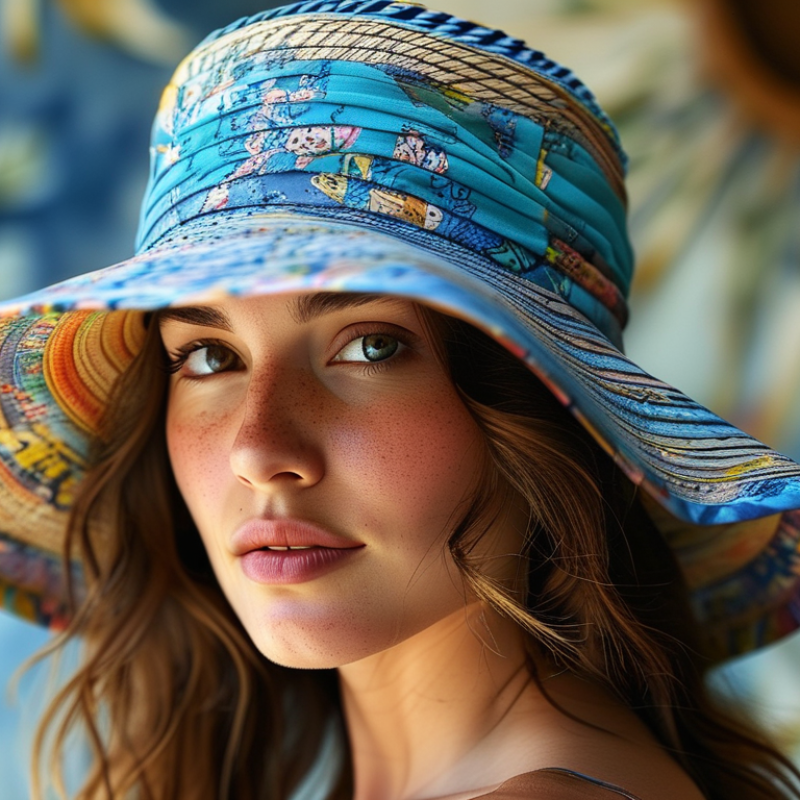
When choosing a sun protection hat in 2026, several factors warrant consideration. An ideal hat must have a wide brim, ideally at least three inches. This width significantly enhances coverage and provides a barrier against harmful UV rays. Materials play a key role, too. Look for fabrics with a high ultraviolet protection factor (UPF). Lightweight, breathable materials like cotton, linen, or specially engineered synthetic fabrics offer comfort in the heat.
Ventilation is crucial for comfort. Hats with mesh panels allow air circulation, helping to maintain a pleasant temperature. Consider styles that offer adjustability. An ill-fitting hat can easily blow away on a windy day. Functionality is important; select a hat that can pack away easily for travel yet maintain its shape when worn.
Reflecting on sun protection habits is also necessary. Many people neglect their head’s skin, leading to sunburn and long-term damage. A hat should not just be an accessory; it needs to be a practical tool for health. Understanding these elements helps ensure maximum sun defense while enjoying outdoor activities.
When it comes to choosing sun protection hats, materials play a crucial role in their effectiveness. Commonly used materials include cotton, polyester, and wide-brimmed straw. Each material offers unique benefits and drawbacks that consumers must consider.
Cotton is breathable and comfortable but typically offers lower UV protection. A study from the Skin Cancer Foundation noted that cotton can block about 20% of UV rays. On the other hand, polyester is lightweight and quick-drying, providing better UV resistance. Research indicates that some polyester fabrics can block up to 97% of harmful radiation. Straw hats, while stylish and widely favored, may vary in UV protection based on their weave and density.
Choosing the right material can feel overwhelming. Balance comfort with sun safety. Fabrics with a UPF (Ultraviolet Protection Factor) rating provide reliable defense against UV rays. The American Academy of Dermatology recommends looking for UPF ratings of 30 or higher for ideal sun protection. Ensure that your hat not only fits well but also reduces sun exposure effectively. Weighing aesthetics against protection is essential in making the right choice.
When choosing sun protection hats, understanding UV protection ratings is essential. The Ultraviolet Protection Factor (UPF) measures how much UV radiation a fabric can block. For instance, a fabric with a UPF rating of 50 allows only 1/50th of UV rays to reach the skin. The Skin Cancer Foundation recommends a UPF of 30 or higher for effective sun protection.
Different materials interact with UV rays differently. Natural fibers like cotton provide limited protection, often falling below UPF 20. In contrast, synthetic materials such as polyester and nylon can offer higher UPF ratings, sometimes exceeding UPF 50. A recent study highlighted that tightly woven fabrics alongside darker colors are more effective in blocking harmful rays.
However, labeling isn't always straightforward. Some hats may advertise high UPF ratings, but the actual protection can vary based on factors like wetness and wear. A wet fabric may lose its protective quality, reducing UPF effectiveness. It’s vital to consider these aspects when selecting a hat. Consulting reliable sources and scientific studies can help inform better choices for sun safety.
When choosing a sun protection hat, fabric plays a critical role. A comparative analysis of popular materials reveals significant differences in their ultraviolet protection factor (UPF). According to a study by the Skin Cancer Foundation, fabrics with a UPF rating of 30 or higher block about 97% of UV rays. Cotton, for example, has a UPF rating between 5 and 10 under direct sunlight. While breathable, it offers limited protection.
Synthetic materials like polyester and nylon tend to perform better. These fabrics can have UPF ratings reaching 50+. This superiority is largely due to their tighter weave and inherent UV-blocking properties. Additionally, moisture-wicking capabilities help keep the wearer cool and dry under the sun. That said, comfort can be an issue. Some individuals find synthetic fibers less agreeable against the skin.
Natural fibers, while softer, often require a tighter weave for effective sun protection. Linen, for instance, is lightweight and breathable but has a UPF of only 10. This discrepancy indicates a potential trade-off between comfort and protection. Understanding these details is essential for selecting the best materials. Each fabric presents unique strengths and weaknesses, creating challenging choices for consumers.
When selecting a sun protection hat, style and fit are crucial for effective sun safety. The ideal hat should have a wide brim to block UV rays from all angles. Consider materials that offer UPF (Ultraviolet Protection Factor) ratings. These hats are designed to enhance protection against harmful sun exposure. Optimal styles include wide-brimmed, bucket hats, and those with neck flaps for additional coverage.
Fit is equally important. A well-fitting hat will stay in place during outdoor activities. Look for adjustable straps or elastic bands to ensure a secure fit. Additionally, lightweight materials enhance comfort, especially in high temperatures. Keep in mind that hats without a snug fit can easily blow away in the wind.
Reflect on your usual outdoor activities. Do you hike, garden, or relax on the beach? Each activity may require a different style of hat for best results. Remember to prioritize not just aesthetics, but also functionality. A hat that doesn't fit well or is uncomfortable might discourage regular use, undermining your sun safety efforts. Consider trying on several styles to find the perfect balance of fashion and sun protection.
: A wide brim of at least three inches is ideal. It provides crucial coverage against UV rays.
Look for lightweight, breathable fabrics like cotton or linen. High UPF ratings are essential for protection.
Ventilation allows air circulation. Hats with mesh panels help keep you cool in hot weather.
A well-fitting hat is essential. It should stay in place during activities to be effective.
Yes, select hats that pack easily yet maintain shape. This ensures convenience when traveling.
Consider wide-brimmed hats, bucket hats, and those with neck flaps for better coverage.
Choose a comfortable, stylish fit. An uncomfortable hat may discourage you from wearing it.
Yes, many neglect head protection. A hat should be a practical tool, not just an accessory.
When considering what is the best material for sun protection hats in 2026, it's essential to examine various factors that contribute to effective sun safety. An ideal hat should offer substantial UV protection, be made from materials specifically designed to block harmful rays, and provide a comfortable fit for all-day wear. Common materials like nylon, polyester, and cotton blends are often used, each with different levels of UV protection and breathability.
Understanding UV protection ratings is crucial when selecting a hat, as these ratings indicate the effectiveness of fabrics in blocking ultraviolet rays. A comparative analysis of popular hat fabrics reveals that some textiles offer superior protection while maintaining comfort and style. Therefore, when choosing a sun protection hat, it's vital to consider both the material and the design to ensure maximum sun safety.

U-Rare Fashion